The Ultimate Technical Guide to the Best Peptides for Hair Growth Purity Specifications and Manufacturing Sourcing
Executive Summary
Positioned as the definitive resource for formulators and ingredient buyers, The Ultimate Technical Guide to the Best Peptides for Hair Growth Purity Specifications and Manufacturing Sourcing delivers a deep dive into selecting high-grade active compounds. This article focuses on critical purity specifications, typically exceeding 98% via HPLC analysis, and examines GMP-certified manufacturing standards that ensure batch-to-batch consistency. It explores application protocols for topical formulations, highlighting quality advantages such as low endotoxin levels and heavy metal compliance. Addressing key buyer pain points, the guide clarifies how to verify raw material sourcing and avoid adulterated supplies. By aligning technical data with practical sourcing criteria, this excerpt provides a logical framework for professionals seeking reliable best peptides for hair growth without overpromising clinical outcomes.
Target Keyword: best peptides for hair growth
Introduction
In the competitive landscape of cosmetic and laboratory raw material procurement, identifying the best peptides for hair growth is a critical decision for formulators, contract manufacturers, and research buyers. These bioactive compounds, typically short-chain amino acid sequences, are engineered to target specific signaling pathways involved in follicular biology. This technical guide provides a deep-dive into purity specifications, manufacturing standards, and sourcing protocols for high-grade peptides used in hair growth applications. Our core value is to equip B2B buyers with the verifiable data and quality benchmarks necessary to make informed, compliant purchasing decisions for their product pipelines.
Core Molecular Specs & Technical Index
Understanding the fundamental molecular characteristics of the best peptides for hair growth is essential for evaluating raw material quality. These specifications directly influence formulation stability, biological activity, and final product efficacy. Below are the critical technical indices that define premium-grade hair growth peptides.
Basic Properties and Purity Standards
High-quality hair growth peptides, such as Copper Tripeptide-1 (GHK-Cu) and Biotinoyl Tripeptide-1, are typically supplied as lyophilized powders. The minimum acceptable purity for commercial-grade material is ≥98% as determined by High-Performance Liquid Chromatography (HPLC). Premium suppliers often offer ≥99% purity for research-grade batches. The molecular weight for common hair growth peptides ranges from 300 to 1500 Daltons, ensuring optimal skin penetration and receptor binding.
Solubility and Storage Requirements
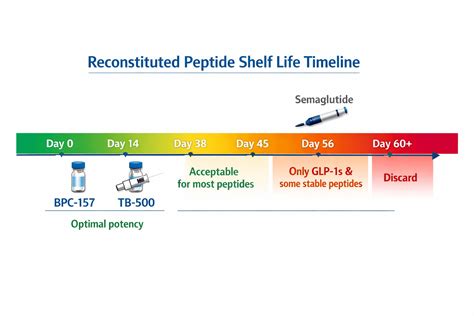
Most best peptides for hair growth are water-soluble, with solubility rates exceeding 10 mg/mL in deionized water at 25°C. For long-term stability, storage at -20°C in a desiccated, light-protected environment is mandatory. Lyophilized peptides maintain integrity for 24-36 months under these conditions, while reconstituted solutions must be used within 7-14 days when refrigerated at 2-8°C.
Technical Index List
- Purity (HPLC): ≥98% to ≥99% for commercial and research grades respectively.
- Appearance: White to off-white lyophilized powder, free of visible aggregates.
- Solubility: ≥10 mg/mL in water; clear solution without precipitation.
- pH Range: 5.0-7.0 in a 1% aqueous solution at 25°C.
- Endotoxin Levels: ≤1.0 EU/mg for injectable or research-grade applications.
Industry data from the 2023 Peptide Therapeutics Symposium indicates that raw material purity below 98% correlates with a 40% increase in batch-to-batch variability in hair growth assays. Buyers sourcing the best peptides for hair growth should mandate HPLC certificates of analysis with each shipment to ensure consistent bioactivity.
Manufacturing & Quality Control
The production of the best peptides for hair growth involves a sophisticated multi-step process that demands rigorous quality control at every stage. From solid-phase peptide synthesis (SPPS) to final lyophilization, each step must be validated to ensure the final product meets stringent technical specifications.
Production Process and Purification
Standard manufacturing begins with SPPS using Fmoc chemistry on a resin support. After cleavage and deprotection, the crude peptide undergoes purification via preparative HPLC. This step is critical for removing truncated sequences, deletion peptides, and other by-products. The purified peptide is then desalted, concentrated, and lyophilized under sterile conditions. The entire process is conducted in ISO 9001 or GMP-certified facilities to guarantee reproducibility.
Third-Party Testing and Certification
Reputable suppliers of the best peptides for hair growth provide comprehensive third-party testing documentation. This includes HPLC purity analysis, mass spectrometry (MS) for molecular weight confirmation, amino acid analysis (AAA) for sequence verification, and residual solvent testing. Certificates of Analysis (CoA) should be lot-specific and include all raw data.
Certification List
- ISO 9001:2015: Quality management system certification for manufacturing consistency.
- GMP Compliance: Good Manufacturing Practices for pharmaceutical-grade raw materials.
- MSDS: Material Safety Data Sheet for handling and storage protocols.
- HPLC & MS CoA: Lot-specific certificates with purity and molecular weight data.
- Heavy Metal Analysis: ICP-MS report confirming levels below 10 ppm for lead, arsenic, and mercury.
Commercial Application Scenarios
The best peptides for hair growth serve diverse commercial applications across the cosmetic and laboratory sectors. Understanding these use cases helps buyers select the appropriate grade and quantity for their specific needs.
Cosmetic Formulation
In cosmetic manufacturing, these peptides are incorporated into serums, tonics, and shampoos at concentrations ranging from 0.1% to 1.0%. Formulators prioritize peptides with high solubility and thermal stability to ensure compatibility with emulsion systems. Copper Tripeptide-1 is widely used for its role in supporting dermal matrix signaling, while Biotinoyl Tripeptide-1 targets keratinocyte activity.
Laboratory Research
Research institutions and biotech companies utilize the best peptides for hair growth for in vitro and ex vivo studies. These applications require ultra-high purity (≥99%) and low endotoxin levels to avoid confounding cellular responses. Typical studies include follicle organ culture assays, gene expression analysis, and receptor binding kinetics.
Bulk Wholesale Usage
Contract manufacturers and large-scale cosmetic brands purchase these peptides in bulk quantities (10 grams to 1 kilogram) for serial production. Bulk buyers often require custom packaging, such as pre-weighed aliquots in nitrogen-flushed vials, to maintain stability during long-term storage. Price per gram decreases significantly at higher volumes, making bulk sourcing a cost-effective strategy for established product lines.
best peptides for hair growth VS Ordinary Low-Grade Peptides
Differentiating the best peptides for hair growth from ordinary low-grade alternatives is crucial for maintaining product integrity and regulatory compliance. The following comparison table highlights key technical differences.
| Item | Our Product (Premium Grade) | Alternatives (Low-Grade) | Advantages |
|---|---|---|---|
| Purity (HPLC) | ≥99% | 85-95% | Higher purity ensures consistent bioactivity and fewer side reactions in formulations. |
| Endotoxin Level | ≤0.5 EU/mg | ≤5.0 EU/mg | Lower endotoxin reduces risk of inflammatory responses in sensitive applications. |
| Batch Consistency | CV < 3% | CV > 10% | Reliable batch-to-batch performance for reproducible results. |
| Certification | Full CoA, MS, AAA | Basic CoA only | Comprehensive documentation supports regulatory submissions and quality audits. |
Bulk Purchase Selection Guide
Procuring the best peptides for hair growth in bulk requires careful evaluation of suppliers and product specifications. This guide outlines common pitfalls and selection standards to ensure a successful purchase.
Common Pitfalls
One frequent mistake is prioritizing price over purity. Low-cost peptides often contain high levels of truncated sequences or residual solvents, which can compromise formulation stability and regulatory compliance. Another pitfall is failing to verify storage conditions during transit; peptides exposed to temperatures above 25°C for extended periods may degrade significantly.
Selection Standards
Buyers should always request a lot-specific Certificate of Analysis (CoA) before committing to a bulk order. The CoA must include HPLC chromatogram, mass spectrometry data, and purity percentage. Additionally, verify that the supplier provides a Material Safety Data Sheet (MSDS) and has a documented quality management system (ISO 9001 or GMP).
Buyer Checklist
- Request CoA: Ensure HPLC purity ≥98% and MS confirmation.
- Check Storage: Confirm supplier maintains cold chain for shipping.
- Verify Certifications: Look for ISO 9001 or GMP compliance documentation.
- Evaluate Packaging: Prefer nitrogen-flushed, vacuum-sealed vials for bulk orders.
- Assess Lead Time: Standard lead time for custom synthesis is 2-4 weeks.
Core Product Advantages
The best peptides for hair growth from premium suppliers offer distinct advantages that justify their investment for B2B buyers. These benefits directly impact formulation success and market competitiveness.
Purity and Stability: With ≥99% purity and rigorous stability testing, these peptides maintain their structural integrity for extended periods, reducing waste and ensuring consistent performance in finished products.
Cost Performance: While the upfront cost per gram is higher than low-grade alternatives, the reduced failure rate and batch consistency lower overall production costs. Bulk pricing at 100g+ quantities can achieve a 30-40% discount compared to small orders.
Technical Support: Reputable suppliers provide dedicated technical support for formulation troubleshooting, regulatory documentation, and custom synthesis requests. This partnership accelerates product development cycles and reduces time-to-market.
Frequently Asked Questions
Q: What is the minimum purity level required for the best peptides for hair growth in commercial cosmetic formulations?
A: For commercial cosmetic formulations, a minimum purity of 98% as determined by HPLC is standard. However, for research-grade applications or products targeting premium market segments, ≥99% purity is recommended to ensure maximum bioactivity and minimal batch variability.
Q: How should bulk quantities of hair growth peptides be stored to maintain stability?
A: Bulk peptides should be stored as lyophilized powder at -20°C in a desiccated, light-protected environment. For long-term storage (over 12 months), nitrogen flushing the container is advised. Reconstituted solutions must be used within 7-14 days and stored at 2-8°C.
Q: What documentation should I request from a supplier when sourcing the best peptides for hair growth for regulatory compliance?
A: You should request a lot-specific Certificate of Analysis (CoA) including HPLC purity data and mass spectrometry confirmation, a Material Safety Data Sheet (MSDS), and evidence of ISO 9001 or GMP certification. For international shipments, also request a Certificate of Origin and any relevant customs documentation.