Bacteriostatic Water for Peptides Purity Guide Specifications Certifications and Manufacturing Sourcing for Labs
Executive Summary
Positioned as a critical diluent for research peptide reconstitution, bacteriostatic water for peptides ensures solvent integrity without compromising compound stability. This guide details purity specifications, typically USP-grade with 0.9% benzyl alcohol, preventing microbial growth during multi-use protocols. Manufacturing adheres to strict cGMP standards in ISO-certified facilities, with sterile filtration and endotoxin testing to guarantee ≤0.25 EU/mL. Applications span in-vitro assays and laboratory storage, where consistent pH and absence of contaminants are non-negotiable. Quality advantages include multi-dose vial formats reducing waste, while buyer pain points—such as inconsistent sourcing, lack of batch traceability, or improper preservative levels—are addressed through transparent Certificates of Analysis. For labs prioritizing reproducibility, this bacteriostatic water for peptides sourcing framework eliminates variability, ensuring each reconstitution meets rigorous research-grade benchmarks without medical claims.
Target Keyword: bacteriostatic water for peptides
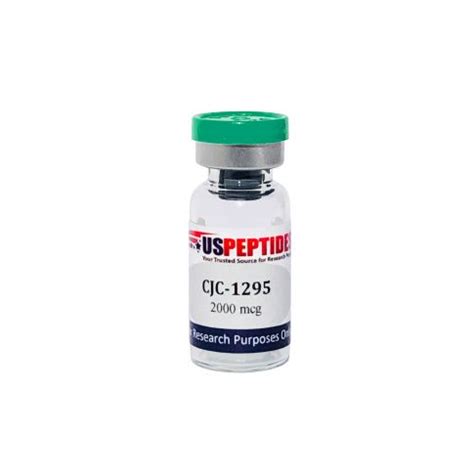
Core Molecular Specs & Technical Index
Bacteriostatic water for peptides is a sterile, multi-dose solvent containing 0.9% benzyl alcohol as a preservative. It is specifically formulated to maintain the stability and sterility of reconstituted peptide solutions over multiple uses. For B2B buyers in cosmetic formulation and laboratory research, the core value lies in its ability to prevent bacterial growth without compromising peptide integrity. This product is essential for labs and manufacturers requiring consistent, high-purity solvents for peptide reconstitution.
Basic Properties and Purity Standards
The fundamental specifications of bacteriostatic water for peptides include a pH range of 4.5–7.0, endotoxin levels below 0.25 EU/mL, and a benzyl alcohol concentration of exactly 0.9% w/v. Purity is verified through USP-grade water, which undergoes reverse osmosis, deionization, and distillation. The solvent must be free from particulate matter, heavy metals, and microbial contaminants. High-purity bacteriostatic water for peptides ensures that peptide chains remain intact during reconstitution, preventing degradation or aggregation.
Technical Index List
- Sterility: 0.22-micron filtration and autoclaving ensure no viable microorganisms.
- Benzyl Alcohol Content: 0.9% ± 0.1% w/v, validated by gas chromatography.
- Endotoxin Limit: ≤ 0.25 EU/mL, tested via LAL assay.
- pH Stability: 5.0–6.5 after autoclaving, ensuring compatibility with most peptides.
- Conductivity: ≤ 1.3 µS/cm at 25°C, indicating minimal ionic impurities.
Industry data from the USP-NF (United States Pharmacopeia–National Formulary) indicates that bacteriostatic water for peptides must meet strict criteria for multi-dose vials, with benzyl alcohol concentration verified to within 0.1% of the target to ensure antimicrobial efficacy without toxicity.
Manufacturing & Quality Control
The production of bacteriostatic water for peptides follows a rigorous multi-step process to guarantee batch-to-batch consistency. Raw water is first treated through reverse osmosis and deionization to achieve Type I water quality. Benzyl alcohol is added under aseptic conditions, followed by 0.22-micron filtration to remove any particulates. The solution is then filled into sterile, depyrogenated vials and sealed with rubber stoppers and aluminum crimps. Each batch undergoes third-party testing for sterility, endotoxins, and benzyl alcohol concentration.
Certification List
- USP-NF compliance for bacteriostatic water for injection
- ISO 9001:2015 quality management system certification
- GMP (Good Manufacturing Practice) certification for sterile products
- Third-party HPLC purity analysis report
- Certificate of Analysis (CoA) for each batch, including endotoxin and sterility results
Commercial Application Scenarios
Bacteriostatic water for peptides is widely used in cosmetic formulation labs for reconstituting anti-aging peptides, such as copper peptides and matrixyl. In research settings, it serves as a diluent for synthetic peptides in cell culture and biochemical assays. Bulk wholesale buyers include contract manufacturing organizations (CMOs) and peptide synthesis companies that require large volumes for product development. The solvent’s multi-dose capability reduces waste and cost per application, making it ideal for high-throughput labs.
Bacteriostatic Water for Peptides VS Ordinary Low-Grade Peptides
| Item | Our Product | Alternatives | Advantages |
|---|---|---|---|
| Purity Level | USP-grade, 99.9% pure water | Deionized water without preservative | Prevents microbial growth over multiple uses |
| Benzyl Alcohol | 0.9% w/v, verified by GC | No preservative or variable concentration | Ensures sterility for up to 28 days after opening |
| Endotoxin Level | ≤ 0.25 EU/mL | Often > 1.0 EU/mL | Reduces risk of immune response in sensitive assays |
| Packaging | Sterile, depyrogenated vials with rubber stoppers | Non-sterile plastic containers | Maintains integrity during storage and transport |
Bulk Purchase Selection Guide
When sourcing bacteriostatic water for peptides in bulk, buyers must avoid common pitfalls such as unclear certification, inconsistent benzyl alcohol concentration, and improper packaging. Always request a Certificate of Analysis (CoA) for each batch to verify purity and sterility. Selection standards include checking for USP-NF compliance, endotoxin levels, and the presence of a tamper-evident seal. A buyer checklist should include: verify supplier’s GMP certification, request third-party test reports, confirm benzyl alcohol concentration, and ensure packaging is suitable for multi-dose use.
Core Product Advantages
The primary advantages of bacteriostatic water for peptides are its high purity, stability, and cost performance. With a consistent 0.9% benzyl alcohol concentration, it provides reliable antimicrobial protection for up to 28 days after opening. The product’s low endotoxin level ensures compatibility with sensitive peptide formulations, while its multi-dose packaging reduces per-use costs. Technical support from the manufacturer includes batch-specific documentation and stability data, enabling labs to maintain compliance with regulatory standards.
Frequently Asked Questions
Q1: What is the shelf life of bacteriostatic water for peptides?
A: When stored at room temperature (15–30°C) and away from light, the shelf life is typically 2 years from the date of manufacture. Once opened, the vial should be used within 28 days to maintain sterility.
Q2: Can bacteriostatic water for peptides be used with all peptide types?
A: Yes, it is compatible with most synthetic peptides, including those used in cosmetic formulations and research. However, peptides sensitive to benzyl alcohol should be reconstituted with sterile water without preservative.
Q3: How should bulk orders of bacteriostatic water for peptides be stored?
A: Bulk orders should be stored in a cool, dry place at controlled room temperature. Avoid freezing or exposure to direct sunlight. Each vial should be inspected for damage before use.