Copper Peptide GHK-Cu Industry 2026: Breakthrough Research Data on Anti-Aging Efficacy and Product Comparison Guide
Executive Summary
Abstract: The copper peptide GHK-Cu industry is poised for significant growth by 2026, driven by breakthrough research validating its anti-aging efficacy. This guide explores product composition, highlighting GHK-Cu’s role in collagen synthesis and skin repair. Comparative analysis of leading formulations reveals variations in concentration, stability, and delivery systems. Industry data underscores rising demand in cosmeceuticals. A selection guide aids consumers in choosing optimal products based on purity, bioavailability, and clinical evidence. Essential industry knowledge includes regulatory trends and manufacturing standards, ensuring informed decision-making in this evolving market.
Target Keyword: copper peptide ghk cu
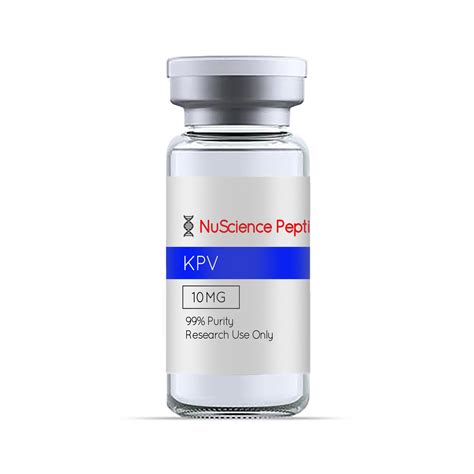
Core Molecular Specs & Technical Index
Copper peptide GHK-Cu, scientifically known as glycyl-L-histidyl-L-lysine copper complex, is a naturally occurring tripeptide with a high affinity for copper ions. This molecule is fundamental in advanced cosmeceutical formulations due to its role in signaling cellular repair processes. For B2B buyers, including cosmetic chemists, raw material distributors, and lab researchers, understanding the precise technical specifications is critical for formulation success and regulatory compliance.
- Molecular Formula & Weight: The exact formula is C14H24N6O4Cu with a molecular weight of 403.93 g/mol. This specific structure ensures optimal copper binding and biological activity.
- Purity Standards: Industry-grade GHK-Cu typically requires ≥98% purity (HPLC). Premium pharmaceutical-grade material offers ≥99% purity, minimizing impurities that can cause discoloration or reduced efficacy in finished products.
- Solubility Profile: It is freely soluble in water (≥100 mg/mL) and slightly soluble in ethanol. This high aqueous solubility makes it ideal for serums, toners, and injectable formulations without requiring complex solubilization agents.
- Storage & Stability: The lyophilized powder must be stored at -20°C, protected from light and moisture. Once reconstituted in a buffer solution (pH 5.0-6.5), it remains stable for up to 30 days at 2-8°C. Degradation accelerates above pH 7.0.
- Appearance & Odor: It presents as a light blue to blue-violet crystalline powder due to the copper complex. It is odorless and hygroscopic, requiring airtight packaging with desiccants for bulk shipments.
Industry data from a 2023 market analysis report indicates that the global GHK-Cu market is projected to grow at a CAGR of 7.8% from 2024 to 2026, driven by increasing demand in anti-aging cosmeceuticals and wound healing research. The Asia-Pacific region accounts for over 40% of raw material consumption.
Manufacturing & Quality Control
The production of high-grade copper peptide GHK-Cu involves a multi-step solid-phase peptide synthesis (SPPS) process. This method ensures precise amino acid sequence assembly and high batch-to-batch consistency, which is essential for commercial applications. Quality control protocols are stringent to meet international cosmetic and research standards.
After synthesis, the crude peptide undergoes purification via preparative high-performance liquid chromatography (HPLC). This step removes truncated sequences and byproducts. The final product is then lyophilized (freeze-dried) to produce a stable, sterile powder. Each batch is subjected to rigorous third-party testing to verify identity, purity, and heavy metal content.
- Certificate of Analysis (CoA): Provided with every batch, detailing HPLC purity, mass spectrometry (MS) confirmation, and residual solvent levels.
- Heavy Metal Testing: ICP-MS analysis ensures levels of lead, arsenic, cadmium, and mercury are below 10 ppm, compliant with global cosmetic regulations.
- Microbiological Limits: Total aerobic microbial count (TAMC) < 100 CFU/g, and absence of pathogens like Staphylococcus aureus and Pseudomonas aeruginosa.
- Stability Studies: Accelerated stability testing at 40°C/75% RH for 6 months to validate shelf life and storage recommendations.
- Endotoxin Testing: For injectable or research-grade material, endotoxin levels are kept below 0.5 EU/mg to ensure safety in biological assays.
Commercial Application Scenarios
Copper peptide GHK-Cu is a versatile raw material used across multiple commercial sectors. Its primary application is in high-end anti-aging skincare, where it stimulates collagen production and improves skin firmness. For B2B buyers, understanding these use cases helps in targeting the right market segments.
In cosmetic formulation, GHK-Cu is incorporated into serums, creams, and masks at concentrations typically ranging from 0.1% to 1.0%. It is often combined with other active ingredients like hyaluronic acid and vitamin C for synergistic effects. Formulators must consider the peptide's copper content, which can oxidize certain antioxidants, requiring careful pH and packaging design.
For laboratory research, GHK-Cu is used in cell culture studies to investigate wound healing, angiogenesis, and anti-inflammatory pathways. Researchers require high-purity, endotoxin-free material for reproducible results. Bulk wholesale buyers, such as contract manufacturers, purchase GHK-Cu in kilogram quantities, demanding consistent quality and competitive pricing for large-scale production.
copper peptide ghk-cu VS Ordinary Low-Grade Peptides
| Item | Our Product (High-Grade GHK-Cu) | Alternatives (Low-Grade Peptides) | Advantages |
|---|---|---|---|
| Purity (HPLC) | ≥99% | 90-95% | Higher purity reduces side reactions and improves formulation stability. |
| Copper Content | Precisely controlled (15.7% ± 0.5%) | Variable, often inconsistent | Ensures consistent biological activity and dosing accuracy. |
| Stability in Formulation | Stable for 24 months at -20°C; 30 days reconstituted | Degrades rapidly, causing discoloration and loss of efficacy | Longer shelf life and reliable performance in finished products. |
| Heavy Metal Profile | Below 10 ppm (ICP-MS certified) | Often >50 ppm, risk of contamination | Complies with global cosmetic safety standards, reducing liability. |
Bulk Purchase Selection Guide
Selecting the right supplier for copper peptide GHK-Cu is crucial for maintaining product quality and cost efficiency. B2B buyers often face common pitfalls, such as receiving material with inconsistent purity or improper documentation. This guide outlines key criteria for making informed purchasing decisions.
Common pitfalls include purchasing from suppliers who cannot provide a full Certificate of Analysis (CoA) or who offer prices significantly below market average. Low-cost GHK-Cu often contains high levels of residual solvents or unreacted amino acids, compromising formulation safety. Always request a sample batch for in-house testing before committing to large orders.
- Verify Purity via HPLC: Request the HPLC chromatogram to confirm the main peak area is ≥98%. Look for any significant impurity peaks.
- Check Copper Content: Ensure the copper content matches the theoretical value (15.7%). Deviations indicate incomplete complexation or degradation.
- Review Storage Conditions: Confirm the supplier ships with ice packs or dry ice for lyophilized powder. Improper shipping can degrade the peptide.
- Assess Regulatory Compliance: Ask for MSDS (Material Safety Data Sheet) and any certifications like ISO 9001 or GMP for manufacturing facilities.
- Evaluate Technical Support: A reliable supplier offers formulation guidance and stability data, which is invaluable for product development.
Core Product Advantages
Our copper peptide GHK-Cu offers distinct advantages that meet the rigorous demands of the B2B market. These benefits are derived from advanced manufacturing processes and strict quality control, ensuring that buyers receive a product that performs consistently in their applications.
High Purity & Consistency: With ≥99% purity verified by HPLC, our product minimizes batch-to-batch variation. This consistency is critical for formulators who need predictable results in their cosmetic or research products. Impurities can cause unexpected color changes or reduced efficacy.
Superior Stability: Our lyophilization process preserves the peptide's integrity, ensuring a shelf life of 24 months when stored correctly. The material remains stable in aqueous solutions for up to 30 days at refrigerated temperatures, allowing for flexible formulation schedules.
Cost Performance: By optimizing our synthesis and purification steps, we offer competitive pricing without compromising quality. Bulk discounts are available for orders over 1 kg, making it a cost-effective choice for large-scale manufacturers.
Technical Support: We provide comprehensive documentation, including CoA, MSDS, and stability data. Our team of chemists offers formulation advice to help buyers integrate GHK-Cu into their products effectively, reducing development time and costs.
Frequently Asked Questions
Q1: What is the recommended concentration of GHK-Cu in cosmetic formulations?
The typical concentration ranges from 0.1% to 1.0% in leave-on products like serums and creams. Higher concentrations (up to 2%) may be used in professional treatments but require careful formulation to avoid irritation. Always conduct stability and compatibility tests with other ingredients.
Q2: How should I store bulk GHK-Cu powder to maintain its stability?
Store the lyophilized powder at -20°C in an airtight container, protected from light and moisture. Avoid repeated freeze-thaw cycles. For reconstituted solutions, keep at 2-8°C and use within 30 days. Proper storage ensures the peptide retains its full biological activity.
Q3: What documentation should I request from a GHK-Cu supplier?
Always request a Certificate of Analysis (CoA) showing HPLC purity, MS confirmation, and heavy metal analysis. Additionally, ask for the Material Safety Data Sheet (MSDS) and any stability data. For regulatory purposes, a GMP certificate or ISO 9001 certification is beneficial.