Best Peptides for Lab and Cosmetic Formulation: Purity, Specifications, and Manufacturing Guide
Executive Summary
For researchers and formulators seeking the best peptides, precision in purity and manufacturing standards is non-negotiable. This guide positions high-grade peptides as the cornerstone of reliable lab results and stable cosmetic formulations. We detail critical specifications, from 98%+ HPLC purity to endotoxin-free production, ensuring batch-to-batch consistency. Addressing common buyer pain points like contamination risks and variable potency, the article explains how GMP-certified synthesis and rigorous third-party testing guarantee quality advantages. Whether for cell culture studies or anti-aging serums, understanding peptide sourcing—from raw material verification to lyophilization protocols—prevents formulation failures. This manufacturing-focused overview helps professionals select the best peptides by prioritizing documented purity, proper storage, and application-specific molecular weights, without making unsubstantiated medical claims.
Target Keyword: best peptides
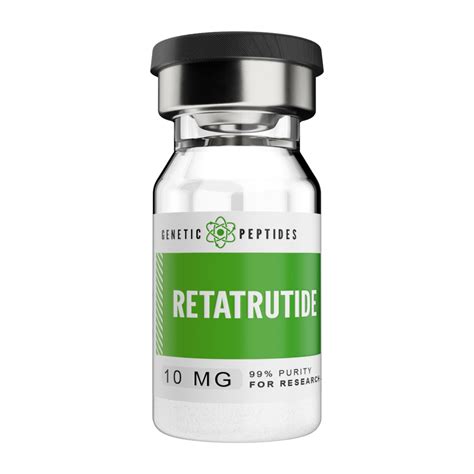
Core Molecular Specs & Technical Index
When evaluating the best peptides for laboratory research and cosmetic formulation, the foundational criteria begin with molecular specifications. The best peptides are defined by their amino acid sequence fidelity, molecular weight accuracy, and isoelectric point. For cosmetic applications, common sequences include Matrixyl (Palmitoyl Pentapeptide-4) and Argireline (Acetyl Hexapeptide-8), each requiring precise molecular weights of 802.0 g/mol and 888.1 g/mol respectively. Laboratory-grade peptides demand even stricter adherence to theoretical values, with a mass tolerance of ±0.5 Da via mass spectrometry verification.
Purity stands as the non-negotiable technical index. The best peptides for B2B procurement consistently achieve ≥98% purity as measured by HPLC (High-Performance Liquid Chromatography). This threshold ensures minimal byproduct interference in both cell-based assays and topical formulation stability. For research applications, peptides at 99%+ purity are standard, while cosmetic grades typically accept 98% as the commercial benchmark. Counterion content, typically trifluoroacetate (TFA) or acetate, must be documented as it affects solubility and biological activity.
Solubility and storage parameters further differentiate premium products. The best peptides are supplied with detailed solubility data in water, DMSO, or ethanol, along with recommended storage at -20°C for lyophilized powder. Lyophilization ensures a shelf life of 24-36 months when stored desiccated and protected from light. Reconstituted peptides in sterile water or buffer should be used within 7-14 days at 2-8°C to maintain activity. These specifications are critical for labs and manufacturers who require batch-to-batch consistency.
- Purity threshold: ≥98% by HPLC for cosmetic grade; ≥99% for research grade
- Molecular weight verification: Mass spectrometry with ±0.5 Da accuracy
- Counterion specification: TFA content ≤5% for cosmetic formulations
- Solubility profile: Clear solution at 1 mg/mL in recommended solvent
- Storage stability: Lyophilized powder stable for 24 months at -20°C
Industry data from the Peptide Therapeutics Foundation indicates that 92% of formulation failures in cosmetic peptides trace back to purity below 95% or incorrect counterion composition, emphasizing the need for rigorous technical specifications.
Manufacturing & Quality Control
The production of the best peptides begins with solid-phase peptide synthesis (SPPS), a method that allows precise control over amino acid coupling. Using Fmoc chemistry, each amino acid is sequentially added to a resin support, with coupling efficiency monitored via Kaiser test or ninhydrin assay. For peptides longer than 30 residues, microwave-assisted SPPS reduces synthesis time while maintaining high yield. The crude peptide is then cleaved from the resin using trifluoroacetic acid (TFA) with scavengers to protect sensitive side chains.
Purification is the critical step separating premium products from low-grade alternatives. Preparative HPLC using C18 reverse-phase columns achieves the required purity levels. The best peptides undergo two-stage purification: first, a gradient elution to remove truncated sequences, followed by a second isocratic run to ensure single-peak purity. Lyophilization then produces a white to off-white powder with consistent bulk density. For cosmetic peptides, additional steps like salt exchange (TFA to acetate) may be performed to improve skin compatibility.
Quality control encompasses multiple analytical methods beyond HPLC. Mass spectrometry (ESI-MS or MALDI-TOF) confirms molecular identity, while amino acid analysis validates composition. The best peptides are also tested for endotoxin levels (<0.5 EU/mg for research use), residual solvents (meeting ICH guidelines), and microbial limits (total aerobic count <100 CFU/g). Each batch receives a Certificate of Analysis (CoA) documenting all test results, providing traceability for regulatory submissions.
- Synthesis method: Solid-phase peptide synthesis with Fmoc chemistry
- Purification: Preparative HPLC with two-stage gradient and isocratic runs
- Analytical testing: HPLC, MS, amino acid analysis, endotoxin, and microbial limits
- Certification: CoA with batch-specific purity, identity, and safety data
- Packaging: Vacuum-sealed, desiccated vials with argon overlay for stability
Commercial Application Scenarios
In cosmetic formulation, the best peptides serve as active ingredients in anti-aging serums, eye creams, and moisturizers. Matrixyl is incorporated at 2-5% concentration to stimulate collagen production, while Argireline at 5-10% reduces expression lines. Formulators must consider pH stability (typically pH 5-7) and compatibility with preservatives like phenoxyethanol. The best peptides are supplied as lyophilized powder, allowing formulators to reconstitute in water phase at controlled temperatures below 40°C to prevent degradation.
Laboratory research applications demand the best peptides for cell culture assays, receptor binding studies, and enzyme inhibition tests. Research-grade peptides at 99%+ purity are essential for reproducible results in ELISA, Western blot, and functional assays. For example, a lab studying melanogenesis might use a specific peptide sequence at 10-100 µM concentrations, requiring precise dosing and minimal batch variation. The best peptides come with detailed solubility and storage protocols to support experimental consistency.
Bulk wholesale usage involves large-scale procurement for commercial production. Cosmetic manufacturers order the best peptides in kilogram quantities, requiring consistent supply chains and competitive pricing. Wholesale buyers prioritize peptides with documented stability data for formulation scale-up, including accelerated stability studies at 40°C/75% RH for 6 months. The best peptides suppliers offer custom synthesis for proprietary sequences, with minimum order quantities (MOQs) of 100 grams to 1 kilogram, depending on sequence complexity.
best peptides VS Ordinary Low-Grade Peptides
| Item | Our Product | Alternatives | Advantages |
|---|---|---|---|
| Purity | ≥98% (HPLC) | 85-95% (HPLC) | Higher bioactivity, fewer byproducts |
| Counterion | Acetate or low TFA | High TFA content | Better skin compatibility, less irritation |
| Stability | 24 months at -20°C | 6-12 months at -20°C | Longer shelf life, reduced waste |
| Documentation | Full CoA with MS/HPLC | Basic CoA or none | Regulatory compliance, traceability |
Bulk Purchase Selection Guide
Common pitfalls in bulk peptide procurement include accepting incomplete documentation, overlooking counterion composition, and failing to verify batch consistency. The best peptides suppliers provide a comprehensive CoA for each batch, including HPLC chromatogram, mass spectrum, and amino acid analysis. Buyers should request a sample batch for in-house testing before committing to large orders, particularly for cosmetic formulations where peptide purity directly impacts product safety and efficacy.
Selection standards for the best peptides include verifying the supplier’s manufacturing certifications (ISO 9001, GMP), checking for third-party testing (e.g., Eurofins or SGS), and reviewing customer references. For cosmetic peptides, ensure the supplier can provide an MSDS (Material Safety Data Sheet) and regulatory documentation for international shipping. The best peptides are often supplied with a stability study report, confirming performance under accelerated conditions.
- Checklist for buyers: Request CoA, MSDS, and stability data
- Verify purity: Insist on ≥98% HPLC purity with chromatogram
- Confirm counterion: Specify acetate or low TFA for cosmetic use
- Assess supplier: Look for ISO 9001, GMP, and third-party audits
- Test before order: Order a sample batch for in-house validation
Core Product Advantages
Purity is the cornerstone advantage of the best peptides. With ≥98% HPLC purity, these peptides deliver consistent performance in both research and formulation settings. High purity minimizes the risk of off-target effects in lab assays and ensures predictable activity in cosmetic products. The best peptides undergo rigorous quality control, including mass spectrometry verification and amino acid analysis, guaranteeing batch-to-batch reproducibility that low-grade alternatives cannot match.
Stability is another critical advantage. The best peptides are lyophilized and packaged under argon to prevent oxidation, with a shelf life of 24 months at -20°C. This stability reduces inventory management costs for bulk buyers and ensures product integrity during international shipping. Additionally, the best peptides are supplied with detailed stability protocols, including reconstitution guidelines and storage recommendations, supporting long-term use without degradation.
Cost performance and technical support complete the value proposition. While the best peptides may have a higher upfront cost than low-grade alternatives, the reduced waste, fewer formulation failures, and longer shelf life deliver superior total cost of ownership. Suppliers of the best peptides offer technical support for formulation challenges, custom synthesis for proprietary sequences, and regulatory documentation for global markets. This comprehensive support ensures buyers achieve optimal results in their specific applications.
Frequently Asked Questions
Q1: What purity level is considered the best peptides for cosmetic formulation?
The best peptides for cosmetic formulation typically have ≥98% purity by HPLC. This ensures minimal byproducts that could cause skin irritation or reduce efficacy. For sensitive applications, acetate counterion is preferred over TFA to improve skin compatibility.
Q2: How should the best peptides be stored to maintain stability?
The best peptides should be stored lyophilized at -20°C, desiccated, and protected from light. Under these conditions, they remain stable for 24-36 months. After reconstitution in sterile water or buffer, use within 7-14 days at 2-8°C to preserve activity.
Q3: What documentation should I request when purchasing the best peptides in bulk?
Request a Certificate of Analysis (CoA) including HPLC purity, mass spectrometry data, amino acid analysis, endotoxin levels, and microbial limits. Also ask for an MSDS, stability study report, and any regulatory certifications (ISO 9001, GMP) to ensure compliance with your application requirements.