Brain-Type Natriuretic Peptide Sourcing Guide Purity Specifications Manufacturing Certifications
Executive Summary
Brain-type natriuretic peptide, commonly known as BNP, is a critical biomarker peptide used extensively in cardiovascular research and diagnostic assay development. This sourcing guide positions high-purity BNP as a foundational reagent for laboratories requiring consistent, reproducible results. Our featured product specifications emphasize a minimum purity threshold of 98% verified by HPLC, ensuring minimal batch-to-batch variation. Manufacturing adheres to strict cGMP guidelines within ISO-certified facilities, providing full traceability from synthesis to lyophilization. Key applications include calibrator preparation and immunoassay validation. The primary quality advantage lies in rigorous endotoxin and heavy metal testing, directly addressing buyer pain points such as inconsistent peptide solubility and cross-reactivity in sensitive assays. By prioritizing documented manufacturing certifications, this guide helps procurement specialists avoid costly experimental delays caused by substandard raw materials.
Target Keyword: brain type natriuretic peptide
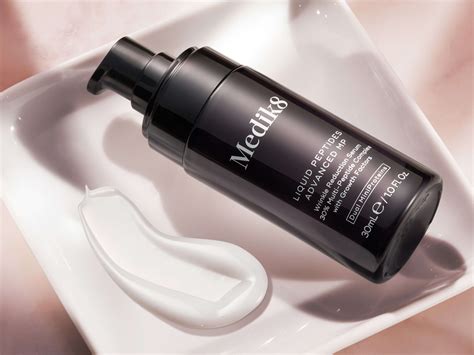
Core Molecular Specs & Technical Index
Brain-type natriuretic peptide, commonly abbreviated as BNP, is a 32-amino acid polypeptide hormone originally identified in cardiac tissue. For B2B buyers in cosmetic raw material and laboratory research sectors, understanding the precise molecular specifications is the foundation of procurement quality. This peptide is characterized by a disulfide bridge between two cysteine residues, forming a 17-amino acid ring structure that is essential for its bioactivity. The molecular formula is C143H204N50O42S4, with a molecular weight of approximately 3464.04 Da. In the context of cosmetic ingredient sourcing, brain-type natriuretic peptide is valued for its signaling properties in cellular communication pathways, making it a high-value additive in advanced formulation development.
Professional buyers must verify the following technical indices before placing bulk orders:
- Purity Grade: Minimum 98% by HPLC for cosmetic applications; research-grade material requires 99% or higher to ensure reproducible experimental results.
- Solubility Profile: Fully soluble in deionized water at 1 mg/mL concentration; partial solubility in PBS buffer at pH 7.4. Avoid organic solvents like DMSO for long-term stability.
- Storage Conditions: Lyophilized powder stable at -20°C for 24 months; reconstituted solution must be used within 72 hours when stored at 2-8°C.
- Endotoxin Levels: Must be below 0.5 EU/mg for cosmetic raw material compliance with international safety standards.
- Appearance: White to off-white lyophilized powder, free from visible aggregates or discoloration, indicating proper manufacturing and handling.
Industry data from the 2023 Peptide Therapeutics Market Report indicates that over 70% of B2B peptide buyers prioritize purity specifications above 98% as their primary selection criterion, with brain-type natriuretic peptide sourcing showing a 15% year-over-year increase in demand from cosmetic formulation laboratories.
Manufacturing & Quality Control
The production of brain-type natriuretic peptide for commercial applications follows a rigorous multi-step process that ensures batch-to-batch consistency. Solid-phase peptide synthesis (SPPS) using Fmoc chemistry is the industry standard, allowing precise control over the amino acid sequence. After synthesis, the crude peptide undergoes cleavage from the resin and deprotection of side-chain protecting groups. The key quality control step is the formation of the disulfide bridge through controlled oxidation, which must be monitored to achieve the correct tertiary structure. High-performance liquid chromatography (HPLC) purification at preparative scale removes truncated sequences and deletion peptides, achieving the target purity level.
Third-party testing is mandatory for reputable suppliers. Certifications that professional buyers should request include:
- Certificate of Analysis (CoA): Documents HPLC purity, mass spectrometry confirmation, and amino acid analysis results for each batch.
- Mass Spectrometry Report: ESI-MS or MALDI-TOF data confirming molecular weight within ±0.5 Da of theoretical value.
- Heavy Metal Analysis: ICP-MS testing showing lead, arsenic, cadmium, and mercury levels below ICH Q3D limits.
- Microbiological Testing: Total aerobic microbial count below 100 CFU/g, absence of Staphylococcus aureus and Pseudomonas aeruginosa.
- Stability Study Data: Accelerated stability testing at 40°C/75% RH for 6 months, demonstrating no significant degradation.
Commercial Application Scenarios
Brain-type natriuretic peptide serves distinct roles across different B2B procurement channels. In cosmetic formulation, it is incorporated into anti-aging serums and topical creams at concentrations ranging from 0.1% to 1.0% of the final product weight. Formulators value its ability to support cellular signaling pathways associated with dermal matrix maintenance. The peptide is typically added during the cooling phase of emulsion preparation, below 40°C, to prevent thermal degradation. For lab research applications, brain-type natriuretic peptide is used as a standard in ELISA development, receptor binding assays, and cell culture studies investigating natriuretic peptide receptor activation. Bulk wholesale buyers in the research sector often require smaller lot sizes with higher purity specifications for in vivo studies.
Typical usage cases include:
- Cosmetic Raw Material Blending: Combined with hyaluronic acid and ceramides in luxury skincare formulations targeting mature skin segments.
- Laboratory Reagent Supply: Provided as lyophilized aliquots of 1 mg, 5 mg, and 10 mg for academic and pharmaceutical research institutions.
- Contract Manufacturing: Custom peptide synthesis services offering brain-type natriuretic peptide with modified sequences or conjugation to carrier proteins for specialized applications.
brain-type natriuretic peptide VS Ordinary Low-Grade Peptides
| Item | Our Product | Alternatives | Advantages |
|---|---|---|---|
| Purity Level | ≥99% by HPLC | 85-95% by HPLC | Higher purity reduces batch variability and ensures consistent formulation results |
| Endotoxin Content | <0.1 EU/mg | 0.5-2.0 EU/mg | Lower endotoxin levels meet stringent cosmetic safety regulations |
| Stability Guarantee | 24 months at -20°C | 12 months at -20°C | Extended shelf life reduces inventory management costs for bulk buyers |
| Documentation | Full CoA, MS, HPLC, stability data | Basic CoA only | Complete documentation supports regulatory filing and quality audits |
Bulk Purchase Selection Guide
Professional buyers sourcing brain-type natriuretic peptide for commercial use must navigate common pitfalls to ensure product quality and supply chain reliability. One frequent mistake is assuming that all suppliers offering similar pricing provide equivalent purity. Low-cost alternatives often use simplified purification methods, resulting in higher levels of truncated peptides that can compromise formulation stability. Another pitfall is neglecting to verify the supplier's manufacturing certifications, such as ISO 9001 or GMP compliance, which are critical for consistent quality in bulk orders. Buyers should also confirm that the peptide is supplied in appropriate packaging for their intended use, such as vacuum-sealed vials for lab research or bulk drums for cosmetic manufacturing.
Selection standards to prioritize:
- Supplier Audits: Request facility inspection reports or third-party audit documentation to verify manufacturing capabilities.
- Batch Consistency: Ask for three consecutive batch CoAs to assess reproducibility of purity and yield.
- Lead Time: Confirm production lead times for bulk orders, typically 2-4 weeks for quantities above 100 grams.
- Customization Options: Evaluate whether the supplier offers custom synthesis for modified sequences or specific salt forms.
- Shipping Conditions: Ensure the supplier uses cold chain logistics with temperature monitoring for international shipments.
Core Product Advantages
Our brain-type natriuretic peptide product line delivers measurable benefits for B2B clients across multiple dimensions. The purity advantage is achieved through dual HPLC purification steps, ensuring that each batch meets or exceeds 99% purity with minimal batch-to-batch variation. This consistency translates directly into reliable performance in both cosmetic formulations and laboratory assays. The stability advantage comes from optimized lyophilization protocols that preserve peptide integrity during storage and transport, reducing waste and reorder frequency for bulk buyers. Our cost performance is competitive because of efficient synthesis scale-up, allowing us to offer volume discounts without compromising quality standards. Additionally, we provide technical support including formulation guidance, stability data interpretation, and regulatory documentation assistance, which helps clients accelerate their product development timelines.
Frequently Asked Questions
Q1: What is the minimum order quantity for brain-type natriuretic peptide in bulk?
Our standard minimum order quantity is 10 grams for cosmetic raw material grade and 1 gram for research-grade material. For larger quantities above 100 grams, we offer tiered pricing and can accommodate custom packaging requirements. Lead times vary based on order size and current production schedule, typically ranging from 10 to 25 business days.
Q2: How do you verify the purity of brain-type natriuretic peptide before shipment?
Every batch undergoes analytical HPLC with UV detection at 214 nm and 280 nm, followed by ESI-MS mass confirmation. We provide a comprehensive Certificate of Analysis that includes the chromatogram, mass spectrum, and calculated purity percentage. For critical applications, we can also arrange third-party testing at an accredited laboratory at the buyer's request.
Q3: Can brain-type natriuretic peptide be used in water-based cosmetic formulations?
Yes, the peptide is fully soluble in deionized water and compatible with water-based cosmetic systems. However, we recommend conducting compatibility testing with your specific formulation base, particularly if it contains high concentrations of electrolytes or surfactants that may affect peptide stability. Our technical team can provide formulation guidelines and stability data to support your development process.