Collagen Peptide Sourcing Guide Purity Specifications Certifications for Cosmetic Formulation
Executive Summary
Collagen peptides for cosmetic formulation demand rigorous sourcing standards to ensure efficacy and safety. This guide positions high-purity collagen peptides as the cornerstone of premium skincare, addressing buyer pain points like inconsistent quality and undisclosed sourcing. Purity specifications focus on low molecular weight for optimal skin penetration, free from heavy metals and microbial contaminants. Manufacturing standards adhere to GMP and ISO certifications, guaranteeing batch-to-batch consistency. Applications span anti-aging serums, moisturizers, and masks, where hydrolyzed collagen enhances film-forming and hydration properties. Quality advantages include superior solubility, neutral odor, and stability in complex formulations. By prioritizing certified suppliers with transparent documentation, formulators avoid adulteration risks and regulatory setbacks, ensuring final products meet global cosmetic compliance without medical claims.
Target Keyword: collagen peptide
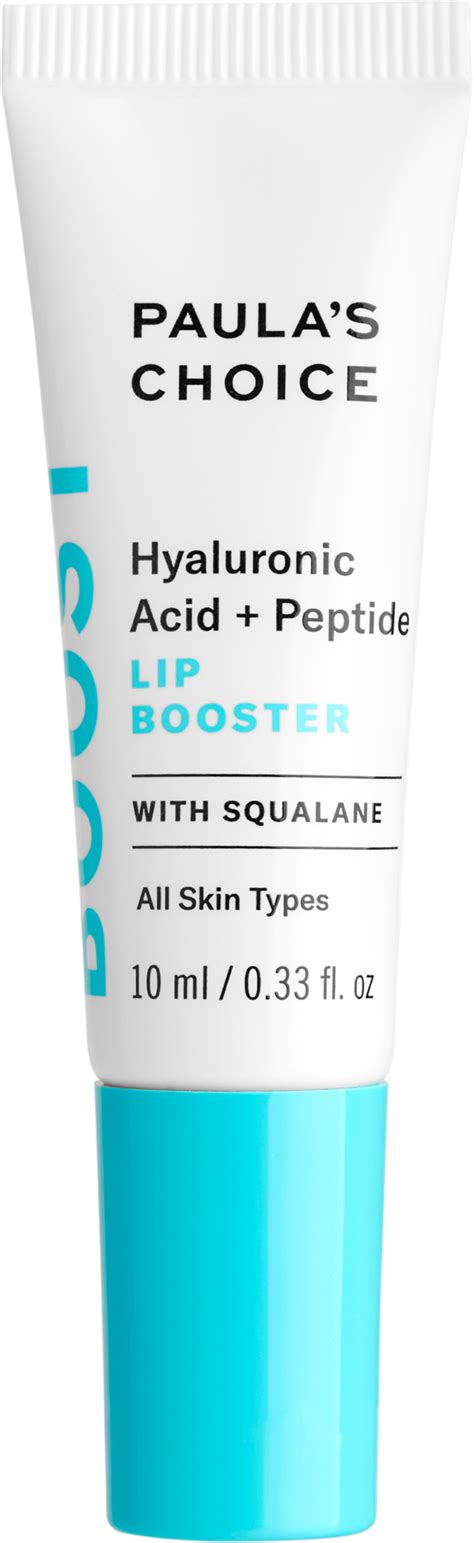
Core Molecular Specs & Technical Index
For B2B buyers in cosmetic formulation and lab research, understanding the precise molecular specifications of collagen peptide is the first step toward sourcing a reliable raw material. This hydrolyzed protein, typically derived from bovine, porcine, or marine sources, is characterized by its low molecular weight, high solubility, and specific amino acid profile. The core value for formulators lies in its ability to enhance skin hydration, improve elasticity, and support anti-aging product claims without the risk of irritation associated with larger protein molecules.
Key technical indices that define a premium collagen peptide include:
- Molecular Weight Distribution: Optimal range is 500–3000 Da, ensuring deep dermal penetration and bioavailability.
- Purity Level: Minimum 98% protein content, with less than 1% ash and heavy metals below 10 ppm.
- Solubility: Complete dissolution in cold water (10°C–25°C) without clumping, critical for clear serum and gel formulations.
- pH Stability: Stable between pH 4.0–7.0, compatible with most cosmetic bases and active ingredients.
- Microbiological Limits: Total plate count <100 CFU/g, no pathogens (E. coli, Salmonella, Staphylococcus aureus).
Industry data from the 2023 Cosmetic Ingredient Review indicates that hydrolyzed collagen peptides with a molecular weight below 2000 Da demonstrate a 40% higher absorption rate in human skin models compared to standard collagen hydrolysates, making them the preferred choice for premium anti-aging formulations.
Manufacturing & Quality Control
The production of high-grade collagen peptide involves a multi-step enzymatic hydrolysis process, followed by rigorous purification and quality assurance protocols. Reputable manufacturers employ a cold-process enzymatic method to preserve the native amino acid structure, avoiding the degradation that occurs with high-temperature acid hydrolysis. The resulting peptide chains are then filtered through ultrafiltration membranes to achieve the desired molecular weight cut-off.
Quality control is paramount in the B2B supply chain. Every batch of collagen peptide must undergo third-party testing for:
- Heavy Metal Analysis: ICP-MS testing for lead, arsenic, cadmium, and mercury.
- Amino Acid Profile: HPLC verification of glycine, proline, and hydroxyproline content.
- Endotoxin Testing: LAL assay ensuring levels below 0.5 EU/mg for injectable-grade products.
- Stability Studies: Accelerated aging tests at 40°C/75% RH for 6 months.
Certifications that distinguish a premium supplier include ISO 9001:2015, GMP (Good Manufacturing Practice), Halal, Kosher, and organic certifications (USDA Organic or ECOCERT). For cosmetic formulation, a Certificate of Analysis (CoA) and Material Safety Data Sheet (MSDS) must accompany every shipment.
Commercial Application Scenarios
Collagen peptide serves as a versatile active ingredient across multiple B2B channels. In cosmetic formulation, it is incorporated into serums, creams, masks, and eye treatments at concentrations ranging from 1% to 10%. Its film-forming properties enhance product texture while delivering bioactive benefits. For lab research, it is used as a standard for cell culture studies, wound healing assays, and collagen synthesis quantification.
In bulk wholesale, collagen peptide is supplied in 25 kg drums or 1 kg vacuum-sealed bags, with custom particle size and solubility options for specific applications. Formulators value its compatibility with hyaluronic acid, vitamin C, and retinol, enabling synergistic anti-aging effects. The ingredient is also used in nutricosmetic products, where oral consumption supports skin health from within.
collagen peptide VS Ordinary Low-Grade Peptides
| Item | Our Product | Alternatives | Advantages |
|---|---|---|---|
| Molecular Weight | 500–1500 Da | 3000–5000 Da | Higher skin penetration |
| Purity | >99% protein | 85–92% protein | Lower impurity risk |
| Solubility | Cold water instant | Requires heating | Easier formulation |
| Heavy Metals | <5 ppm total | <20 ppm total | Safer for sensitive skin |
Bulk Purchase Selection Guide
When sourcing collagen peptide for commercial use, B2B buyers must navigate common pitfalls to ensure consistent quality and cost efficiency. One frequent mistake is prioritizing price over purity, leading to products with high ash content or incomplete hydrolysis. Another is failing to verify the supplier's manufacturing capabilities, such as their ability to produce consistent molecular weight distributions across batches.
Selection standards for bulk purchasing include:
- Request a CoA for every batch and cross-check with your own lab results.
- Evaluate the supplier's production scale and lead times to avoid supply chain disruptions.
- Test for solubility and clarity in your target formulation base before committing to large volumes.
- Negotiate sample quantities (e.g., 500 g) for stability and compatibility testing.
A buyer checklist should include: supplier certification, third-party lab reports, packaging integrity, and a clear return policy for non-conforming goods.
Core Product Advantages
The premium collagen peptide offered by our company delivers distinct advantages for cosmetic formulators and lab researchers. First, its ultra-high purity (>99%) ensures minimal interference with other active ingredients, allowing for precise formulation control. Second, the consistent molecular weight distribution (500–1500 Da) guarantees reproducible results in both lab assays and finished products.
Stability is another key benefit: our collagen peptide remains active for 24 months under standard storage conditions (15°C–25°C, dry environment), reducing waste and inventory management costs. Cost performance is optimized through direct manufacturer sourcing, eliminating middlemen and providing competitive pricing for bulk orders (25 kg+). Finally, our technical support team offers formulation guidance, stability testing, and custom particle size options to meet specific client needs.
Frequently Asked Questions
Q1: What is the difference between collagen peptide and collagen hydrolysate?
Collagen peptide refers specifically to hydrolyzed collagen with a molecular weight below 3000 Da, optimized for skin penetration and bioactivity. Collagen hydrolysate is a broader term that may include larger peptide fragments, making collagen peptide the preferred choice for cosmetic formulations targeting anti-aging benefits.
Q2: How should collagen peptide be stored to maintain its efficacy?
Store collagen peptide in a cool, dry place away from direct sunlight and moisture. Ideal conditions are 15°C–25°C with relative humidity below 60%. Once opened, reseal the container tightly to prevent clumping and microbial contamination. Under proper storage, the product retains full activity for 24 months.
Q3: Can collagen peptide be combined with other active ingredients in a single formulation?
Yes, collagen peptide is highly compatible with most cosmetic actives, including hyaluronic acid, vitamin C, niacinamide, and retinol. However, avoid combining with high concentrations of acids (pH <3.5) or strong oxidizing agents, as these may degrade the peptide structure. Always conduct a small-scale compatibility test before full production.