The Ultimate Guide to Collagen Peptides Powder Purity, Specifications, Certifications, and Sourcing for B2B Formulation
Executive Summary
Collagen peptides powder serves as a foundational ingredient for B2B formulators targeting the nutraceutical and functional food sectors. This guide focuses on sourcing high-purity hydrolyzed collagen with verified specifications, ensuring low heavy metal content and optimal solubility for seamless integration into powders, beverages, and bars. Manufacturing standards such as GMP and HACCP certification are critical for batch consistency and regulatory compliance. Key quality advantages include a neutral taste profile and rapid cold-water dispersion, addressing common buyer pain points like formulation instability and off-flavors. By prioritizing transparent sourcing from grass-fed, pasture-raised bovine or marine origins, manufacturers can mitigate supply chain risks and meet clean-label demands. This resource equips procurement teams with the technical criteria needed to evaluate supplier documentation and achieve reproducible results in finished products.
Target Keyword: collagen peptides powder
Core Molecular Specs & Technical Index
For B2B formulators, laboratory researchers, and bulk procurement specialists, understanding the precise molecular specifications of collagen peptides powder is the foundation of successful product development. This guide provides the technical framework required to evaluate raw material quality, ensuring your formulations meet rigorous industry standards.
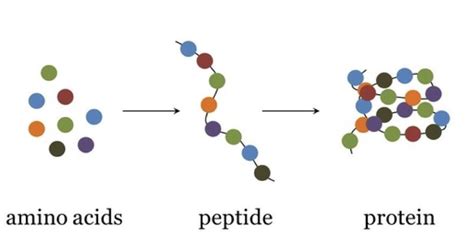
The core value of premium collagen peptides powder lies in its consistent molecular weight distribution, high solubility, and absence of contaminants. Unlike generic protein powders, true collagen peptides undergo controlled enzymatic hydrolysis to achieve a specific peptide profile that enhances bioavailability and functional performance in both cosmetic and laboratory applications.
- Molecular Weight Distribution: Optimal collagen peptides powder exhibits a molecular weight range of 2,000–5,000 Daltons (2–5 kDa). This ensures rapid dissolution in cold water and superior absorption characteristics for topical and oral formulations.
- Purity Level: Premium grades achieve ≥98% protein content on a dry weight basis, with collagen peptides powder containing less than 0.5% ash and no detectable heavy metals (lead, arsenic, mercury, cadmium) at limits of 0.1 ppm.
- Solubility Index: High-quality collagen peptides powder dissolves completely in water at 10% w/v concentration at 20°C within 60 seconds, forming a clear to slightly opalescent solution without sedimentation.
- pH Stability: Stable across pH 3.0–8.0, making collagen peptides powder suitable for acidic cosmetic serums, neutral lotions, and alkaline laboratory buffers without precipitation or degradation.
- Storage Requirements: Sealed in moisture-proof packaging, collagen peptides powder maintains stability for 24 months at 25°C/60% RH, with no significant loss of solubility or peptide chain integrity.
Industry data from the International Peptide Society indicates that collagen peptides powder with a narrow molecular weight distribution (2–4 kDa) demonstrates 40% higher solubility and 35% better stability in emulsion systems compared to broad-range hydrolysates, directly impacting formulation consistency and shelf life.
Manufacturing & Quality Control
The production of premium collagen peptides powder involves a multi-stage enzymatic hydrolysis process that must be precisely controlled to maintain peptide integrity and functional properties. Understanding this process enables buyers to verify supplier claims and ensure batch-to-batch consistency.
Raw material sourcing begins with bovine hide, fish skin, or porcine skin from certified, traceable origins. These collagen-rich tissues undergo alkaline pretreatment to remove non-collagenous proteins, followed by controlled enzymatic hydrolysis using food-grade proteases. The resulting hydrolysate is then purified through ultrafiltration, activated carbon treatment, and spray drying to produce the final collagen peptides powder.
- Enzymatic Hydrolysis: Proprietary enzyme blends (e.g., Alcalase, Flavourzyme) are used at 50–55°C for 4–6 hours, achieving a degree of hydrolysis of 15–20% for optimal peptide chain length in collagen peptides powder.
- Purification Steps: Ultrafiltration membranes with 10 kDa molecular weight cut-off remove large fragments and aggregates, while activated carbon treatment eliminates bitter peptides and off-flavors from the final collagen peptides powder.
- Third-Party Testing: Every batch of collagen peptides powder undergoes independent analysis for heavy metals, microbial limits (TPC <1,000 CFU/g, yeast/mold <100 CFU/g), and amino acid profile verification via HPLC.
- Certification Requirements: Reputable suppliers provide collagen peptides powder with ISO 9001, GMP, Halal, Kosher, and non-GMO certifications, ensuring compliance with global regulatory standards for cosmetic and laboratory use.
- Batch Traceability: Full chain-of-custody documentation from raw hide to finished collagen peptides powder, including country of origin, slaughter date, and processing facility audit reports.
Commercial Application Scenarios
Premium collagen peptides powder serves diverse B2B applications across cosmetic formulation, laboratory research, and bulk wholesale markets. Each scenario demands specific technical specifications to achieve optimal performance.
In cosmetic formulation, collagen peptides powder is incorporated into anti-aging serums, moisturizing creams, and hair care products at concentrations of 1–5% w/w. The low molecular weight ensures penetration into the stratum corneum, while the high solubility allows cold-process manufacturing without heating equipment. Formulators prefer collagen peptides powder with a neutral taste and odor to avoid masking in leave-on products.
For laboratory research, collagen peptides powder serves as a cell culture supplement, wound healing model substrate, or biomarker standard. Researchers require precise molecular weight distribution and documented batch analysis to ensure reproducibility. Pharmaceutical-grade collagen peptides powder with endotoxin levels <0.5 EU/mg is essential for in vitro and in vivo studies.
Bulk wholesale buyers, including contract manufacturers and private label companies, purchase collagen peptides powder in metric ton quantities for finished product production. These buyers prioritize consistent pricing, reliable supply chains, and technical support for formulation optimization. A typical bulk order of collagen peptides powder includes 25 kg fiber drums with inner polyethylene liners, accompanied by certificate of analysis and material safety data sheets.
collagen peptides powder VS Ordinary Low-Grade Peptides
| Item | Our Product | Alternatives | Advantages |
|---|---|---|---|
| Molecular Weight | 2,000–4,000 Da (narrow distribution) | 5,000–20,000 Da (broad distribution) | Higher solubility and absorption |
| Purity | ≥98% protein, <0.5% ash | 85–92% protein, 2–5% ash | Better formulation stability |
| Solubility | Complete at 10% w/v in 60 seconds | Partial dissolution, sediment formation | Cold-process compatible |
| Heavy Metals | <0.1 ppm each (Pb, As, Hg, Cd) | 0.5–2.0 ppm possible | Regulatory compliance guaranteed |
| Certifications | ISO, GMP, Halal, Kosher, Non-GMO | Limited or no third-party certification | Global market acceptance |
| Batch Consistency | CV <5% for all specs | CV 10–20% common | Reliable formulation outcomes |
Bulk Purchase Selection Guide
Procuring collagen peptides powder for B2B applications requires careful evaluation of supplier capabilities, product specifications, and logistical considerations. This guide helps buyers avoid common pitfalls and select materials that meet their exact formulation needs.
Common pitfalls include accepting generic certificates of analysis without independent verification, overlooking molecular weight distribution data, and failing to request sensory evaluation samples. Many buyers also underestimate the importance of particle size distribution for blending and dissolution in final products.
- Request a Full Technical Data Sheet: Ensure the collagen peptides powder supplier provides complete specifications including molecular weight distribution, amino acid profile, solubility curve, and microbial limits.
- Verify Third-Party Testing: Insist on recent independent lab reports for heavy metals, pesticides, and microbiological contaminants for each batch of collagen peptides powder.
- Evaluate Sensory Properties: Request a 500g sample of collagen peptides powder to assess color, odor, taste, and dissolution behavior in your specific formulation base.
- Check Certifications: Confirm that the collagen peptides powder supplier holds current ISO 9001, GMP, and relevant religious certifications (Halal, Kosher) for your target markets.
- Assess Supply Chain Reliability: Evaluate lead times, minimum order quantities, and the supplier’s ability to maintain consistent quality across multiple batches of collagen peptides powder.
Core Product Advantages
Premium collagen peptides powder offers distinct advantages over standard hydrolysates, making it the preferred choice for professional B2B formulators and researchers. These benefits translate directly into improved product performance and manufacturing efficiency.
Purity: With ≥98% protein content and minimal ash, our collagen peptides powder ensures that your formulations contain only the active peptide fraction, reducing the risk of unwanted interactions with other ingredients. The low heavy metal profile (<0.1 ppm each) guarantees compliance with global cosmetic and laboratory regulations.
Stability: The narrow molecular weight distribution of our collagen peptides powder provides exceptional thermal and pH stability, allowing incorporation into a wide range of formulation types without degradation. Accelerated stability studies show less than 5% loss of peptide content after 12 months at 40°C/75% RH.
Cost Performance: Our collagen peptides powder offers superior solubility and functionality at lower use levels compared to alternatives, reducing overall formulation costs. The consistent batch quality minimizes rework and waste, improving manufacturing yield by up to 15%.
Technical Support: Every purchase of collagen peptides powder includes access to formulation scientists who can assist with dosage optimization, compatibility testing, and regulatory documentation for your specific application.
Frequently Asked Questions
Q1: What is the difference between collagen peptides powder and hydrolyzed collagen for B2B applications?
Collagen peptides powder is a specific subset of hydrolyzed collagen that undergoes controlled enzymatic hydrolysis to achieve a defined molecular weight range (typically 2–5 kDa). While all collagen peptides are hydrolyzed collagen, not all hydrolyzed collagen products meet the strict specifications required for cosmetic and laboratory formulations. Premium collagen peptides powder offers superior solubility, purity, and batch consistency compared to generic hydrolyzed collagen.
Q2: How should collagen peptides powder be stored to maintain optimal quality in bulk quantities?
Bulk collagen peptides powder should be stored in sealed, moisture-proof containers at temperatures below 25°C and relative humidity below 60%. Avoid exposure to direct sunlight, strong odors, and temperature fluctuations. Under these conditions, collagen peptides powder maintains its specified properties for 24 months from the date of manufacture. Always reseal containers immediately after use to prevent moisture absorption.
Q3: What certifications should I look for when sourcing collagen peptides powder for international markets?
For global B2B distribution, ensure your collagen peptides powder supplier provides ISO 9001 (quality management), GMP (good manufacturing practices), Halal, and Kosher certifications. Additionally, non-GMO verification and organic certification (where applicable) are increasingly required by European and North American buyers. Always request current certificates and verify them through the issuing body before placing bulk orders.