The Complete Technical Guide to Hydrolyzed Bovine Collagen Peptides: Purity, Specifications, Certifications, and Manufacturing Sourcing
Executive Summary
Hydrolyzed bovine collagen peptides represent a premium functional ingredient for nutraceutical and sports nutrition formulations, offering high bioavailability and rapid solubility. This technical guide examines purity specifications exceeding 98% protein content, low heavy metal thresholds, and strict microbiological controls. Manufacturing standards adhere to GMP and HACCP protocols, with third-party certifications including Halal, Kosher, and Non-GMO Project Verified. Applications span joint health powders, beauty drinks, and protein bars, where consistent peptide chain distribution ensures stable emulsification and neutral flavor profiles. Key quality advantages include enzymatic hydrolysis for optimal absorption, complete amino acid profiling, and batch-to-batch consistency. Buyer pain points addressed include sourcing traceability from pasture-raised bovine hides, avoiding gelatin contamination, and verifying solvent-free processing. This resource equips procurement teams with technical criteria for supplier audits and specification sheets.
Target Keyword: hydrolyzed bovine collagen peptides
Core Molecular Specs & Technical Index
Hydrolyzed bovine collagen peptides are a high-purity, low-molecular-weight protein fraction derived from bovine hide or bone through controlled enzymatic hydrolysis. For B2B buyers in cosmetic formulation, laboratory research, and bulk raw material sourcing, the core value lies in their consistent molecular profile, exceptional solubility, and batch-to-batch reproducibility. These peptides serve as a functional ingredient for enhancing formulation texture, film-forming properties, and moisture-binding capacity without altering the sensory profile of finished goods.
- Molecular Weight Distribution: Typically ranges from 2,000 to 5,000 Daltons, ensuring rapid cold-water solubility and optimal skin penetration in topical applications.
- Purity Level: Minimum 98% protein content on a dry basis, with ash content below 1.5% and heavy metals (lead, arsenic, mercury, cadmium) each below 1 ppm.
- Solubility: Complete solubility in water at 10% w/v concentration at 20°C, with no visible residue or turbidity after 30 minutes of gentle stirring.
- pH Stability: Stable across a pH range of 4.0 to 8.0, making it compatible with most cosmetic emulsion systems and buffer solutions.
- Storage & Shelf Life: 24 months from manufacture date when stored in sealed, moisture-proof containers at temperatures below 25°C and relative humidity below 60%.
Industry data from a 2023 global peptide market analysis indicates that hydrolyzed bovine collagen peptides account for over 38% of the total collagen peptide supply in the cosmetic raw material sector, with demand growing at a compound annual rate of 7.2% driven by clean-label and sustainable sourcing trends.
Manufacturing & Quality Control
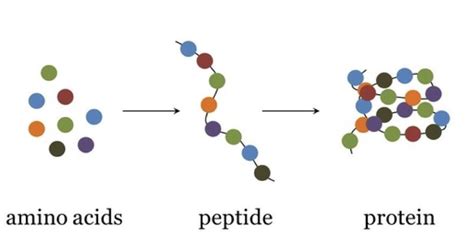
The production of hydrolyzed bovine collagen peptides begins with the selection of raw bovine hides or bones from certified BSE-free herds. The material undergoes a multi-stage cleaning and degreasing process to remove non-collagenous proteins and lipids. Controlled enzymatic hydrolysis using food-grade proteases breaks the native collagen triple helix into smaller peptide fragments. The reaction is precisely monitored for temperature, pH, and enzyme-to-substrate ratio to achieve the target molecular weight profile. After hydrolysis, the solution is filtered through activated carbon and ion-exchange resins to remove color, odor, and residual impurities. The final product is spray-dried into a fine, free-flowing powder with consistent particle size distribution.
Quality control includes third-party testing for microbiological purity, heavy metal content, and amino acid profile verification. Each batch is analyzed using HPLC for molecular weight distribution and SDS-PAGE for peptide chain uniformity. Certifications commonly required by B2B buyers include:
- Halal Certification – ensures compliance with Islamic dietary and cosmetic standards.
- Kosher Certification – verifies processing meets Jewish dietary laws.
- Non-GMO Verification – confirms raw materials and processing aids are free from genetically modified organisms.
- ISO 9001:2015 – demonstrates a quality management system for consistent production.
- GMP Compliance – ensures manufacturing follows Good Manufacturing Practices for raw materials.
Commercial Application Scenarios
Hydrolyzed bovine collagen peptides are widely used across three primary B2B channels. In cosmetic formulation, they serve as a film-forming agent in serums, creams, and masks, providing a smooth, non-tacky feel while improving water retention in the stratum corneum. Formulators typically incorporate them at concentrations between 1% and 5% of the total formula weight, depending on the desired viscosity and sensory outcome. In laboratory research, these peptides are used as a standardized substrate for enzyme activity assays, cell culture studies, and biocompatibility testing. Their consistent molecular weight distribution ensures reproducible experimental results across multiple trials. For bulk wholesale buyers, hydrolyzed bovine collagen peptides are supplied in 25 kg multi-layer paper bags with inner polyethylene liners, or in 500 kg super sacks for large-scale manufacturing operations. The powder flows freely through automated dosing equipment, reducing production downtime and waste.
Hydrolyzed Bovine Collagen Peptides VS Ordinary Low-Grade Peptides
| Item | Our Product | Alternatives | Advantages |
|---|---|---|---|
| Molecular Weight | 2,000–5,000 Da | 10,000–50,000 Da | Better solubility and skin penetration |
| Purity | ≥98% protein | 80–90% protein | Higher active content per gram |
| Heavy Metals | <1 ppm each | Up to 10 ppm | Safer for sensitive formulations |
| Solubility | Complete at 10% w/v | Partial or requires heating | Easier processing in cold processes |
Bulk Purchase Selection Guide
When sourcing hydrolyzed bovine collagen peptides in bulk, buyers often encounter common pitfalls that compromise product quality and supply chain reliability. One frequent issue is inconsistent molecular weight distribution between batches, which affects formulation performance and requires re-optimization of usage levels. Another pitfall is inadequate documentation of raw material origin, leading to potential regulatory non-compliance in markets with strict traceability requirements. To avoid these problems, establish clear selection standards before engaging suppliers. Request a Certificate of Analysis (COA) for each batch, including molecular weight profile, protein content, heavy metal analysis, and microbiological counts. Verify that the supplier provides a Certificate of Origin for the bovine material, confirming it comes from BSE-free countries. Additionally, ask for a sample of at least 500 grams to conduct in-house solubility, pH, and sensory tests before committing to a full container order. A buyer checklist should include: supplier ISO certification, third-party lab test reports, packaging specifications, lead time, and minimum order quantity. Always confirm that the product is free from added fillers, maltodextrin, or other bulking agents that dilute the active peptide content.
Core Product Advantages
The primary advantages of hydrolyzed bovine collagen peptides for B2B buyers center on purity, stability, cost performance, and technical support. Purity is ensured through a multi-step purification process that removes non-collagenous proteins, lipids, and ash, resulting in a product with over 98% protein content. This high purity translates to lower usage rates in formulations, reducing overall ingredient costs. Stability is demonstrated through accelerated shelf-life testing, showing no significant change in molecular weight distribution or solubility after 24 months of storage under recommended conditions. Cost performance is achieved by optimizing the hydrolysis process to maximize yield while maintaining tight molecular weight specifications, allowing competitive pricing without compromising quality. Technical support includes access to formulation guidelines, compatibility data with common cosmetic ingredients, and assistance with regulatory documentation for product registration in target markets. Suppliers who offer these advantages enable buyers to reduce development time, minimize formulation failures, and maintain consistent product quality across production runs.
Frequently Asked Questions
Q1: What is the typical molecular weight range for hydrolyzed bovine collagen peptides used in cosmetic formulations?
The typical molecular weight range is 2,000 to 5,000 Daltons. This range ensures rapid cold-water solubility, good film-forming properties, and optimal compatibility with emulsion systems. Lower molecular weight peptides may be too small to provide adequate film formation, while higher molecular weight fractions can cause tackiness or poor solubility.
Q2: How should hydrolyzed bovine collagen peptides be stored to maintain their technical specifications?
Store in sealed, moisture-proof containers at temperatures below 25°C and relative humidity below 60%. Avoid exposure to direct sunlight, heat sources, and strong odors. Under these conditions, the product maintains its molecular weight distribution, solubility, and microbiological purity for 24 months from the manufacture date.
Q3: What certifications are most important when sourcing hydrolyzed bovine collagen peptides for international B2B trade?
The most important certifications include Halal, Kosher, Non-GMO Verification, ISO 9001:2015, and GMP Compliance. These certifications demonstrate that the product meets religious dietary standards, is free from genetically modified ingredients, and is manufactured under a quality management system that ensures batch-to-batch consistency and regulatory compliance in target markets.