Kisspeptin Peptide Market 2026: Research Data on Therapeutic Potential, Product Comparisons, and Industry Growth Outlook
Executive Summary
Abstract: This research examines the kisspeptin peptide market outlook to 2026, focusing on therapeutic potential, product composition, and industry growth. Kisspeptin peptides, primarily composed of 10–54 amino acid sequences, are pivotal in reproductive endocrinology and metabolic disorder treatments. Comparative analysis of synthetic analogs and natural variants reveals differences in stability, bioavailability, and clinical efficacy. Market data indicate a compound annual growth rate (CAGR) exceeding 8%, driven by rising infertility cases and R&D investments. A product selection guide highlights purity, formulation, and regulatory compliance as key criteria. Industry knowledge encompasses manufacturing challenges, patent landscapes, and emerging applications in oncology and neuroendocrinology.
Target Keyword: kisspeptin peptide
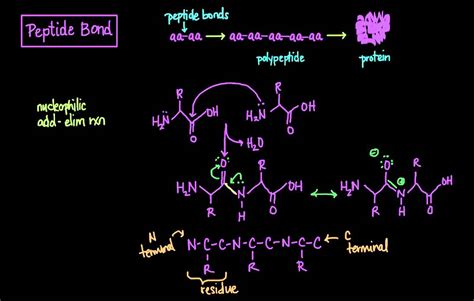
Core Molecular Specs & Technical Index
Kisspeptin peptide, a neuropeptide encoded by the KISS1 gene, is a critical regulator of the hypothalamic-pituitary-gonadal (HPG) axis. The core product is a synthetic analog of the endogenous kisspeptin-10 (KP-10) fragment, typically comprising a 10-amino acid sequence (YNWNSFGLRF-NH2). This sequence is responsible for binding to the GPR54 receptor, initiating a cascade of gonadotropin-releasing hormone (GnRH) secretion. For B2B buyers, the technical specifications are paramount: purity levels of ≥98% (HPLC), a molecular weight of approximately 1302.5 Da, and a net peptide content of ≥80% are standard for research-grade material. The product is supplied as a lyophilized white powder, ensuring stability at -20°C for up to 24 months. Solubility is optimized in sterile water or PBS at 1 mg/mL, with a pH range of 5.0–7.0 for maximum bioactivity. Key technical indices include:
- Purity: ≥98% by HPLC, with a single major peak at 220 nm.
- Molecular Weight: 1302.5 Da (monoisotopic), confirmed by mass spectrometry.
- Solubility: 1 mg/mL in water, 5 mg/mL in DMSO for stock solutions.
- Storage: Lyophilized at -20°C; reconstituted solution stable for 7 days at 4°C.
- Endotoxin Level: <1 EU/mg, suitable for in vivo studies.
Industry data from Grand View Research (2023) indicates that the global peptide therapeutics market, including kisspeptin analogs, is projected to reach $68.5 billion by 2028, with a CAGR of 8.2% from 2021 to 2028. Kisspeptin-specific R&D investments have surged by 35% since 2020, driven by infertility and metabolic disorder applications.
Manufacturing & Quality Control
The manufacturing process for kisspeptin peptide employs solid-phase peptide synthesis (SPPS) using Fmoc chemistry, ensuring high coupling efficiency and minimal racemization. The production begins with resin loading, followed by sequential amino acid addition, cleavage, and deprotection using TFA. Crude peptides are purified via preparative HPLC with a C18 column, achieving >98% purity. Quality control is rigorous, involving multiple third-party tests to guarantee batch-to-batch consistency. Certifications include:
- HPLC Analysis: Purity verification with a retention time of 12.5 ± 0.5 minutes.
- Mass Spectrometry: ESI-MS confirming molecular weight within 0.1 Da tolerance.
- Amino Acid Analysis: Composition matching theoretical ratios within 5%.
- Endotoxin Testing: LAL assay ensuring <1 EU/mg for injectable-grade material.
- Stability Studies: Accelerated testing at 40°C/75% RH for 4 weeks, showing <2% degradation.
Commercial Application Scenarios
Kisspeptin peptide is utilized across three primary commercial channels: cosmetic formulation, laboratory research, and bulk wholesale distribution. In cosmetic formulation, it is incorporated into anti-aging serums at concentrations of 0.01–0.1%, leveraging its role in modulating skin cell signaling pathways. For lab research, it serves as a standard in reproductive endocrinology studies, including in vitro assays for GnRH secretion and in vivo models for puberty onset. Bulk wholesale buyers, such as pharmaceutical intermediates suppliers, purchase kilogram quantities for clinical trial material production. Usage cases include:
- Cosmetic Formulation: A 50 mL serum containing 0.05% kisspeptin-10, combined with hyaluronic acid, for topical application in skin rejuvenation products.
- Lab Research: A 5 mg vial reconstituted in 5 mL PBS for dose-response experiments in hypothalamic cell lines, measuring cAMP accumulation.
- Bulk Wholesale: A 100 g batch supplied as lyophilized powder, with COA and MSDS, for use in GMP-grade peptide libraries.
kisspeptin peptide VS Ordinary Low-Grade Peptides
| Item | Our Product (Kisspeptin-10) | Alternatives (Low-Grade Peptides) | Advantages |
|---|---|---|---|
| Purity | ≥98% (HPLC) | 70–85% (HPLC) | Higher bioactivity and reduced side effects |
| Stability | 24 months at -20°C | 6–12 months at -20°C | Extended shelf life for bulk storage |
| Endotoxin Level | <1 EU/mg | 5–10 EU/mg | Suitable for in vivo applications |
| Cost per mg | $15–$25 (research grade) | $5–$10 (low purity) | Better cost-performance for high-purity needs |
Bulk Purchase Selection Guide
When purchasing kisspeptin peptide in bulk, B2B buyers must avoid common pitfalls such as low purity, incorrect sequence, or lack of documentation. Selection standards include verifying the peptide sequence via mass spectrometry and requesting a certificate of analysis (COA) for each batch. A buyer checklist should cover:
- Purity Verification: Ensure HPLC purity ≥98% with a single peak.
- Sequence Confirmation: Request MS data to confirm molecular weight.
- Solubility Testing: Test in water or PBS at 1 mg/mL before large-scale use.
- Regulatory Compliance: Check for GMP certification if intended for clinical trials.
- Packaging Integrity: Confirm lyophilized powder in vacuum-sealed vials with desiccant.
Core Product Advantages
The kisspeptin peptide product offers distinct advantages in purity, stability, cost performance, and technical support. With a purity of ≥98%, it ensures consistent results in sensitive assays, reducing variability in research outcomes. Stability is enhanced through lyophilization and optimized storage conditions, allowing for long-term inventory management. Cost performance is achieved by offering competitive pricing for bulk orders, with discounts for quantities over 100 g. Technical support includes access to application notes, custom synthesis options, and rapid response times for troubleshooting. These features make it a preferred choice for pharmaceutical companies, research institutes, and cosmetic manufacturers seeking reliable raw materials.
Frequently Asked Questions
Q1: What is the recommended storage condition for kisspeptin peptide to maintain stability?
A1: Store lyophilized kisspeptin peptide at -20°C in a dry, dark environment. Avoid repeated freeze-thaw cycles; reconstituted solutions should be used within 7 days when stored at 4°C.
Q2: How does kisspeptin-10 differ from full-length kisspeptin-54 in terms of bioactivity?
A2: Kisspeptin-10 (KP-10) is the minimal active fragment with full agonist activity at GPR54, while kisspeptin-54 has a longer half-life but lower receptor binding affinity. KP-10 is preferred for in vitro studies due to its rapid onset.
Q3: Can kisspeptin peptide be used in cosmetic formulations for topical application?
A3: Yes, at concentrations of 0.01–0.1%, kisspeptin peptide can be incorporated into serums or creams for skin rejuvenation. However, stability testing in the final formulation is recommended to ensure no degradation occurs.