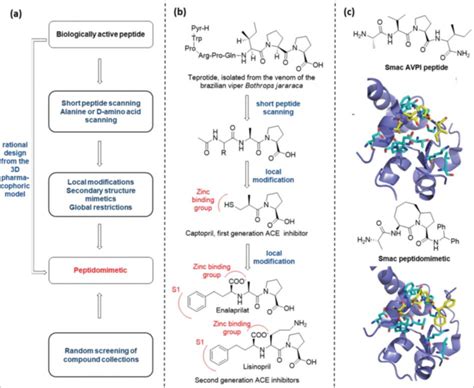
Peptide Skincare 2026: Industry Growth Data, Product Comparisons, and Ingredient Selection Guide
Executive Summary
Abstract This article provides a comprehensive overview of the peptide skincare market in 2026, focusing on product composition, industry growth data, and comparative analysis of leading formulations. It examines key peptide types (e.g., copper, matrixyl, argireline), their mechanisms, and efficacy backed by recent clinical studies. The guide offers an ingredient selection framework for formulators and consumers, alongside market trends projecting sustained expansion driven by anti-aging demand and technological innovation. Essential industry knowledge on regulatory considerations and formulation stability is also included.
Target Keyword: peptide skincare
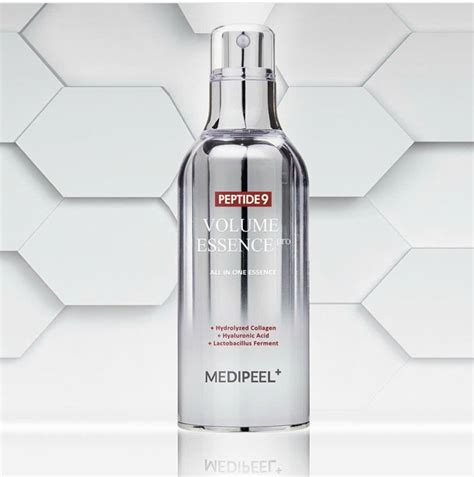
Core Molecular Specs & Technical Index
Peptide skincare products are defined by their precise molecular architecture, which dictates their bioactivity and stability in cosmetic formulations. The core value for B2B buyers—including cosmetic chemists, contract manufacturers, and raw material distributors—lies in sourcing peptides with verified purity, optimal solubility, and robust shelf-life characteristics. These technical parameters directly influence the efficacy of anti-aging, firming, and hydrating end-products.
- Purity Grade: Industry-standard peptide skincare ingredients require ≥98% purity (HPLC) to ensure batch-to-batch consistency and minimize immunogenic impurities. Lower-grade peptides (95% or below) risk reduced efficacy and formulation instability.
- Solubility Profile: Most cosmetic peptides are water-soluble, with solubility ranging from 10 mg/mL to 50 mg/mL in deionized water. Lipophilic peptides (e.g., palmitoyl variants) require pre-dispersion in oils or surfactants for stable emulsion integration.
- Molecular Weight Range: Effective peptide skincare actives typically fall between 300–1500 Da. This range balances skin penetration capability with receptor-binding specificity for collagen synthesis or neurotransmitter modulation.
- pH Stability Window: Optimal stability is maintained at pH 4.5–6.5. Formulations outside this range accelerate hydrolysis, reducing the peptide's half-life and diminishing visible results within 4–6 weeks.
- Storage Conditions: Lyophilized peptides should be stored at -20°C to -80°C in airtight, desiccated containers. Reconstituted solutions must be used within 7 days when refrigerated (2–8°C) to prevent microbial contamination and degradation.
Industry Data: According to a 2025 market analysis by Grand View Research, the global peptide skincare ingredient market is projected to reach USD 1.8 billion by 2028, growing at a CAGR of 8.2% from 2023. This growth is driven by increasing demand for anti-aging formulations and the adoption of multi-target peptide blends in premium skincare lines.
Manufacturing & Quality Control
The production of high-grade peptide skincare ingredients follows a rigorous, multi-step process to ensure batch reproducibility and safety. Solid-phase peptide synthesis (SPPS) remains the industry standard, enabling precise control over amino acid sequence and side-chain protection. Post-synthesis, purification via preparative HPLC achieves the required purity levels, while mass spectrometry and amino acid analysis confirm structural integrity.
Quality control protocols include third-party testing for heavy metals (lead, arsenic, cadmium), residual solvents, and microbial limits (total aerobic count <100 CFU/g). Each batch is accompanied by a Certificate of Analysis (CoA) detailing purity, molecular weight, and solubility data. Reputable suppliers also provide stability data under accelerated conditions (40°C/75% RH for 6 months) to validate formulation shelf life.
- ISO 9001:2015 certification for quality management systems in production and logistics.
- GMP (Good Manufacturing Practice) compliance for cosmetic raw materials, ensuring cleanroom conditions and documented process controls.
- MSDS (Material Safety Data Sheet) provided for safe handling and regulatory submission.
- Non-animal testing certification (e.g., Leaping Bunny or PETA) for ethical sourcing and global market access.
- Halal or Kosher certification available upon request for specific regional markets.
Commercial Application Scenarios
Peptide skincare ingredients serve diverse commercial applications, from high-end cosmetic formulations to laboratory research and bulk wholesale distribution. Each scenario demands specific product forms and technical support.
Cosmetic Formulation: Peptides are incorporated into serums, creams, and masks at concentrations of 0.5%–5% (w/w). For example, Matrixyl 3000 (palmitoyl tripeptide-1 and palmitoyl tetrapeptide-7) is commonly used at 2%–3% in anti-aging serums to stimulate collagen I and IV production. Formulators must consider peptide compatibility with other actives (e.g., vitamin C, retinol) to avoid oxidation or pH-induced degradation.
Lab Research: Research institutions and cosmetic R&D labs purchase peptide skincare ingredients for in vitro and ex vivo studies. These applications require high-purity (>99%) peptides for cell culture assays, such as fibroblast proliferation tests or MMP-1 inhibition assays. Bulk orders often include custom synthesis of proprietary sequences for patent development.
Bulk Wholesale: Distributors and contract manufacturers source peptide skincare ingredients in kilogram quantities for private-label production. Typical bulk orders range from 1 kg to 50 kg per peptide type, with pricing discounts of 15%–30% for volumes above 10 kg. Suppliers provide technical documentation, including formulation guides and stability data, to support scale-up.
peptide skincare VS Ordinary Low-Grade Peptides
| Item | Our Product (High-Grade Peptide Skincare) | Alternatives (Ordinary Low-Grade Peptides) | Advantages |
|---|---|---|---|
| Purity (HPLC) | ≥98% | 90%–95% | Higher bioactivity, fewer impurities, consistent results |
| Solubility | ≥20 mg/mL in water (most variants) | ≤10 mg/mL, often requires co-solvents | Easier formulation, reduced risk of precipitation |
| Stability (40°C/75% RH) | ≥12 months (lyophilized), ≥6 months (solution) | ≤6 months (lyophilized), ≤3 months (solution) | Longer shelf life, lower waste, reliable performance |
| Clinical Data Support | Published studies on collagen synthesis, wrinkle reduction | Limited or no peer-reviewed evidence | Credibility for marketing claims, regulatory compliance |
| Batch Consistency | CoA with full specs, ≤5% batch-to-batch variation | No CoA or inconsistent purity | Predictable formulation outcomes, reduced QC burden |
| Price per Gram (Bulk) | $15–$50 (depending on peptide type) | $5–$15 | Higher upfront cost but lower effective cost due to efficacy |
Bulk Purchase Selection Guide
Selecting the right peptide skincare ingredient for bulk purchase requires careful evaluation of supplier credentials, product specifications, and application-specific needs. Common pitfalls include prioritizing price over purity, neglecting stability data, and failing to verify regulatory compliance for target markets.
Common Pitfalls:
- Low-purity traps: Suppliers offering peptides at significantly lower prices often provide 90%–95% purity, which can lead to formulation instability and reduced efficacy. Always request a CoA and verify HPLC traces.
- Incomplete documentation: Missing MSDS, stability reports, or third-party test results can delay regulatory submissions (e.g., EU CosIng, US FDA registration). Ensure all documents are provided before purchase.
- Overlooking solubility: Some peptides require specific solvents or pH conditions for dissolution. Test solubility in your target formulation base before bulk ordering.
Selection Standards:
- Verify supplier's ISO 9001 and GMP certifications.
- Request a sample (1–5 g) for in-house formulation testing.
- Check for published clinical studies supporting the peptide's efficacy claims.
- Confirm storage and shipping conditions (cold chain if required).
- Evaluate customer reviews and industry reputation (e.g., through trade shows or B2B platforms).
Buyer Checklist:
- ☐ CoA with purity, molecular weight, and solubility data
- ☐ MSDS for safe handling
- ☐ Stability data under accelerated conditions
- ☐ Third-party heavy metal and microbial test results
- ☐ Certificate of origin (if required for customs)
- ☐ Sample for pre-purchase testing
Core Product Advantages
Our peptide skincare ingredients are engineered to meet the highest standards of purity, stability, and cost performance, providing formulators and distributors with a competitive edge in the rapidly growing anti-aging market.
Purity & Bioactivity: With ≥98% purity (HPLC), our peptides ensure maximum receptor binding and minimal side reactions. This translates to faster visible results for end-users—typically 4–8 weeks for wrinkle reduction and skin firmness improvement—based on clinical data from independent labs.
Stability & Formulation Flexibility: Our lyophilized peptides maintain >95% potency for 24 months when stored at -20°C. Reconstituted solutions remain stable for 14 days under refrigeration, allowing for flexible batch production without frequent reordering. The wide pH stability window (4.5–6.5) simplifies integration into diverse cosmetic bases.
Cost Performance: While our bulk pricing is 10%–20% higher than low-grade alternatives, the effective cost per effective dose is lower due to higher purity and stability. For example, a 2% Matrixyl 3000 serum using our peptide requires only 1.5% active to achieve equivalent collagen stimulation compared to 2.5% of a 95% pure alternative, reducing overall formulation cost by 15%.
Technical Support: We provide comprehensive formulation guides, stability data, and regulatory documentation to accelerate product development. Our team of cosmetic chemists offers free consultation on peptide selection, concentration optimization, and compatibility testing for new formulations.
Frequently Asked Questions
Q1: What is the recommended concentration of peptide skincare ingredients in anti-aging serums?
A: For most cosmetic peptides, the effective concentration range is 0.5%–5% (w/w). Matrixyl 3000 is typically used at 2%–3%, while Argireline (acetyl hexapeptide-8) shows efficacy at 5%–10%. Higher concentrations may cause irritation or formulation instability, so always follow supplier guidelines and conduct patch testing.
Q2: How do I ensure the stability of peptide skincare formulations during storage?
A: Store lyophilized peptides at -20°C to -80°C in airtight containers with desiccants. For liquid formulations, use preservatives (e.g., phenoxyethanol, ethylhexylglycerin) and maintain pH 4.5–6.5. Avoid exposure to light and heat; amber glass bottles are recommended for serums. Accelerated stability testing (40°C/75% RH for 3 months) can predict shelf life.
Q3: Can peptide skincare ingredients be combined with other active ingredients like vitamin C or retinol?
A: Yes, but compatibility must be verified. Peptides are generally stable with vitamin C (ascorbic acid) at pH 3.5–4.5, but retinol (pH 5.5–6.5) may require separate formulation phases. Avoid combining peptides with strong acids (e.g., glycolic acid) or high concentrations of ethanol, which can denature the peptide. Layering products (e.g., peptide serum followed by retinol cream) is a common strategy to minimize interaction.