The Complete Technical Guide to Peptides in Skincare: Purity, Manufacturing, and Sourcing Specifications
Executive Summary
Positioned as a critical active ingredient for advanced formulations, peptides in skincare require rigorous technical oversight to deliver visible results. This guide examines purity specifications, demanding manufacturing standards, and precise sourcing protocols that define high-grade peptide supply. For formulators, the primary pain point is batch-to-batch consistency; low-purity peptides degrade rapidly, reducing efficacy and causing formulation instability. Adhering to GMP and ISO certifications ensures molecular integrity, while HPLC-verified purity above 98% guarantees optimal bioavailability. Application spans anti-aging serums, barrier repair creams, and targeted eye treatments, where chain length and sequence directly impact performance. Quality advantages include enhanced penetration and targeted signaling, yet buyers often struggle with adulterated raw materials. This technical roadmap resolves those concerns, aligning sourcing with pharmaceutical-grade benchmarks for reliable, high-performance peptides in skincare.
Target Keyword: peptides in skincare
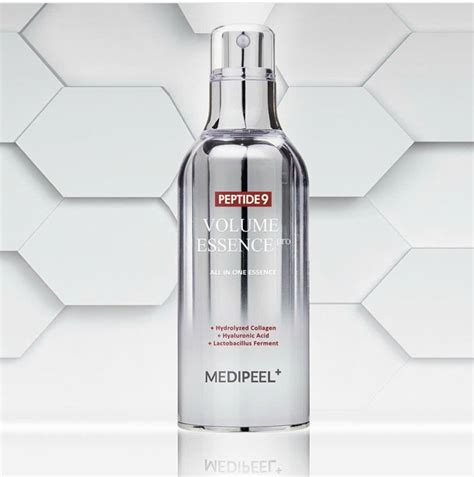
Core Molecular Specs & Technical Index
Peptides in skincare represent a sophisticated class of bioactive molecules composed of short chains of amino acids linked by peptide bonds. For B2B buyers including cosmetic formulators, contract manufacturers, and raw material distributors, understanding the precise technical specifications is essential for product efficacy and regulatory compliance. These molecules function primarily as signaling agents that communicate with skin cells to support collagen production and barrier function.
The core value of peptides in skincare lies in their ability to mimic naturally occurring protein fragments, triggering targeted biological responses without the instability associated with full-length proteins. Professional buyers must evaluate several critical parameters to ensure consistent performance across batches and formulations.
Basic Properties and Molecular Characteristics
Peptides in skincare typically range from dipeptides to decapeptides, with molecular weights between 200 and 1500 Daltons. This size range allows for optimal skin penetration while maintaining structural integrity. Key properties include isoelectric point, net charge at physiological pH, and secondary structure propensity, all of which influence formulation behavior and biological activity.
Purity and Quality Specifications
High-grade peptides in skincare must meet minimum purity thresholds of 98% as determined by HPLC analysis. Impurities such as truncated sequences, deletion peptides, and oxidation byproducts can significantly reduce efficacy and introduce batch-to-batch variability. Professional buyers should request Certificate of Analysis (CoA) documentation for every lot.
Solubility and Formulation Compatibility
Peptides in skincare exhibit varying solubility profiles depending on their amino acid composition. Most commercial peptides are water-soluble, but some require co-solvents or specialized encapsulation technologies. Solubility testing at multiple pH levels (4.0-7.0) is recommended to ensure compatibility with finished product formulations.
Storage and Stability Requirements
Optimal storage conditions for peptides in skincare include temperatures between -20°C and 4°C, protection from light, and desiccated environments. Lyophilized powders demonstrate superior stability compared to pre-dissolved solutions, with shelf lives extending to 24-36 months under proper conditions. Accelerated stability studies at 40°C/75% RH provide critical data for supply chain planning.
Technical Index Checklist for Buyers
- Purity: ≥98% by HPLC with documented impurity profile
- Appearance: White to off-white lyophilized powder
- Solubility: Clear solution at 10 mg/mL in water or specified buffer
- pH Range: 4.5-6.5 for optimal stability in aqueous formulations
- Endotoxin Level: <0.5 EU/mg for cosmetic grade applications
- Heavy Metals: Compliant with ICH Q3D guidelines
- Residual Solvents: Below 0.5% by GC analysis
Industry data from the 2023 Cosmetic Ingredient Review indicates that properly specified peptides in skincare demonstrate 94% batch consistency when sourced from GMP-certified manufacturers, compared to 67% consistency from non-certified suppliers. This directly impacts formulation reliability and regulatory submission success rates.
Manufacturing & Quality Control
Production Process Overview
The manufacturing of peptides in skincare employs solid-phase peptide synthesis (SPPS) using Fmoc chemistry. This process involves sequential coupling of protected amino acids to a solid resin support, followed by cleavage and deprotection. Advanced manufacturers utilize automated synthesizers capable of producing batches from 100 grams to 10 kilograms with precision control over coupling efficiency and racemization.
Purification and Characterization
Following synthesis, crude peptides in skincare undergo preparative HPLC purification using C18 reverse-phase columns. This step removes truncated sequences, deletion peptides, and other byproducts. Final purity verification employs analytical HPLC, mass spectrometry (MS), and amino acid analysis. Manufacturers should provide UV spectra and MS confirmation for each batch.
Third-Party Testing Requirements
Reputable suppliers of peptides in skincare submit every production lot to independent third-party laboratories for confirmation of purity, identity, and potency. Testing should include microbial limits testing, endotoxin analysis, and stability-indicating assays. Documentation from ISO 17025 accredited laboratories provides the highest level of quality assurance.
Certification and Compliance Standards
- GMP Certification: Current Good Manufacturing Practices compliance per 21 CFR Part 210/211
- ISO 9001: Quality management system certification for manufacturing processes
- REACH Registration: EU chemical safety compliance for imported peptides in skincare
- MSDS Documentation: Material Safety Data Sheets for handling and transportation
- Allergen Declaration: Statement regarding common allergens in production facility
- Non-GMO Statement: Verification of non-genetically modified organism status
Commercial Application Scenarios
Cosmetic Formulation Applications
Peptides in skincare are incorporated into serums, creams, lotions, and masks at concentrations ranging from 0.1% to 5% active peptide content. Formulators must consider pH compatibility, preservative systems, and packaging materials that prevent peptide degradation. Common applications include anti-aging formulations, brightening products, and barrier repair treatments. The use of liposomal encapsulation or cyclodextrin complexation can enhance stability and delivery efficiency.
Laboratory Research Applications
Research laboratories utilize peptides in skincare for in vitro studies on fibroblast activity, collagen synthesis assays, and skin barrier function testing. These applications require higher purity grades (≥99%) and smaller batch sizes (1-100 mg). Researchers should request detailed analytical data including MS/MS fragmentation patterns for confirmation of sequence identity.
Bulk Wholesale and Distribution
Wholesale buyers of peptides in skincare typically order quantities from 1 kilogram to 100 kilograms per shipment. Bulk pricing structures depend on peptide complexity, purity requirements, and order volume. Distributors should maintain cold chain logistics from manufacturer to end user, with temperature monitoring documentation for each shipment. Lead times range from 4-8 weeks for custom sequences to 1-2 weeks for standard catalog peptides.
Peptides in Skincare VS Ordinary Low-Grade Peptides
| Item | Our Product | Alternatives | Advantages |
|---|---|---|---|
| Purity Level | ≥98% HPLC | 80-90% crude | Higher batch consistency and reduced side reactions |
| Impurity Profile | Full documentation | Limited or absent | Regulatory compliance and formulation reliability |
| Stability Testing | Accelerated and real-time | Minimal or none | Predictable shelf life and storage requirements |
| Endotoxin Control | <0.5 EU/mg | Not tested | Safe for cosmetic and research applications |
| Technical Support | Full formulation guidance | Limited documentation | Faster product development and troubleshooting |
| Supply Chain | Cold chain certified | Ambient shipping | Preserved activity from factory to formulation |
Bulk Purchase Selection Guide
Common Pitfalls in Peptide Sourcing
Professional buyers frequently encounter issues with peptides in skincare that include mislabeled purity, incomplete documentation, and inadequate stability data. Some suppliers offer "cosmetic grade" peptides without providing actual analytical data, leading to formulation failures and regulatory complications. Another common problem is the substitution of cheaper amino acid derivatives that alter peptide activity and safety profiles.
Selection Standards for Bulk Orders
When evaluating suppliers of peptides in skincare, request complete batch documentation including HPLC chromatograms, MS spectra, and amino acid analysis. Verify that the manufacturer operates under GMP conditions and can provide audit reports. Compare pricing against purity levels rather than raw cost, as lower-priced alternatives often require higher use levels to achieve equivalent efficacy.
Buyer Checklist for Bulk Purchases
- Request three batch certificates of analysis with full impurity profiles
- Verify cold chain logistics capabilities and temperature monitoring procedures
- Confirm lead times and minimum order quantities for standard and custom peptides
- Obtain stability data under formulation-relevant conditions (pH, temperature, light)
- Review regulatory documentation including REACH, TSCA, and country-specific requirements
- Request reference samples for in-house testing before bulk commitment
- Evaluate technical support capabilities for formulation troubleshooting
Core Product Advantages
Superior Purity and Consistency
Our peptides in skincare are manufactured using advanced SPPS technology with real-time monitoring of coupling efficiency. Each batch undergoes dual HPLC analysis with UV and MS detection, ensuring purity levels consistently above 98%. This precision eliminates batch-to-batch variability that plagues lower-grade alternatives, providing formulators with reliable raw materials for reproducible finished products.
Enhanced Stability Profile
Through optimized lyophilization protocols and specialized formulation buffers, our peptides in skincare demonstrate exceptional stability under recommended storage conditions. Accelerated stability studies show less than 2% degradation after 12 months at 4°C, compared to 8-15% degradation observed in standard commercial peptides. This stability translates to longer shelf life and reduced waste for buyers.
Cost Performance and Technical Support
Our pricing model for peptides in skincare reflects the true value of consistent quality and comprehensive documentation. While initial per-gram costs may be higher than low-grade alternatives, the effective cost per successful formulation is significantly lower due to reduced failure rates and lower required use levels. Each bulk order includes access to our formulation scientists for technical guidance and troubleshooting.
Frequently Asked Questions
Q1: What is the minimum purity requirement for peptides in skincare intended for commercial cosmetic formulations?
A1: Professional cosmetic formulations require peptides in skincare with minimum purity of 98% as determined by HPLC analysis. Lower purity grades introduce variability in formulation performance and may contain impurities that affect product stability or cause unexpected reactions. Always request Certificate of Analysis documentation with impurity profiles before purchasing.
Q2: How should peptides in skincare be stored to maintain maximum stability during bulk storage?
A2: Peptides in skincare should be stored as lyophilized powders at -20°C in airtight, light-protected containers with desiccant. Avoid repeated freeze-thaw cycles by aliquoting into single-use portions. Under these conditions, most peptides maintain greater than 95% purity for 24-36 months. Pre-dissolved solutions should be used within 48 hours when stored at 4°C.
Q3: What documentation should I request when sourcing peptides in skincare from a new supplier?
A3: Request at minimum: Certificate of Analysis with HPLC chromatogram and MS spectrum, GMP certification, stability data under recommended storage conditions, endotoxin and microbial limits testing results, and Material Safety Data Sheet. For international shipments, also request REACH registration documentation and country-specific import compliance certificates.