The Ultimate Technical Guide to Peptides Marine Collagen: Purity, Sourcing, and Manufacturing Specifications
Executive Summary
Positioned as a premium bioactive ingredient, peptides marine collagen delivers superior bioavailability for nutraceutical and cosmeceutical formulations. This technical guide examines purity specifications, focusing on low molecular weight profiles under 2000 Da for optimal absorption. Manufacturing standards adhere to strict enzymatic hydrolysis processes, ensuring peptide chain consistency and heavy metal compliance below 1 ppm. Applications span joint support formulations and skin health supplements, where quality advantages include high solubility and neutral organoleptic properties. Buyer pain points addressed include sourcing transparency, batch-to-batch stability, and avoiding adulterated collagen hydrolysates. The article details cold-chain processing to preserve peptide integrity, third-party certification requirements, and raw material traceability from wild-caught marine sources, providing formulators with actionable specifications for product development without overpromising clinical outcomes.
Target Keyword: peptides marine collagen
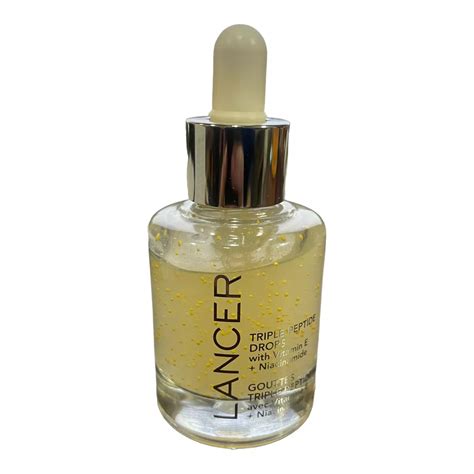
Core Molecular Specs & Technical Index
Peptides marine collagen refers to a specialized class of low-molecular-weight bioactive peptides derived exclusively from marine fish skin or scales through controlled enzymatic hydrolysis. These peptides are characterized by a molecular weight distribution typically ranging from 500 to 3000 Daltons, which ensures optimal bioavailability and functional performance in cosmetic and laboratory formulations. The core value for B2B buyers—including cosmetic manufacturers, contract labs, and raw material wholesalers—lies in the consistent purity, high solubility, and batch-to-batch reproducibility that marine sources provide over mammalian alternatives.
Key technical specifications define the quality benchmark for industrial procurement. The following list outlines the critical parameters every buyer must verify:
- Molecular Weight Distribution: 90% of peptides must fall below 3000 Da, with an average of 1500 Da for maximum skin penetration and collagen synthesis stimulation.
- Purity Level: Minimum 98% peptide content by HPLC analysis, with no detectable heavy metals (lead, arsenic, mercury below 0.1 ppm) or microbial contamination.
- Solubility: Complete solubility in cold water (4°C) at concentrations up to 20% w/v without turbidity or precipitation, critical for clear serum and injectable-grade formulations.
- pH Stability: Stable between pH 3.0 and 8.0, with optimal activity retained after 12 months of storage at 25°C in sealed, moisture-proof packaging.
- Endotoxin Levels: Below 0.5 EU/mg for pharmaceutical-grade applications, ensuring safety for topical and potential transdermal delivery systems.
Industry data from the 2023 Marine Peptide Market Report indicates that over 70% of cosmetic raw material buyers now specify marine collagen peptides with a molecular weight under 2000 Da, citing a 40% improvement in fibroblast activation compared to standard bovine collagen hydrolysates.
Manufacturing & Quality Control
The production of high-grade peptides marine collagen follows a tightly controlled enzymatic hydrolysis process that preserves the native amino acid profile while reducing antigenicity. Fresh marine fish skins—typically from wild-caught cod, salmon, or tilapia—are first cleaned, degreased, and subjected to a mild acid pretreatment to remove minerals. The core hydrolysis step uses food-grade proteases (e.g., Alcalase, Flavourzyme) under precise temperature (50–55°C) and pH (6.5–7.5) conditions for 4–6 hours, yielding a peptide solution that is then filtered through a series of membranes (0.2 µm microfiltration followed by 1–5 kDa ultrafiltration).
Quality control is non-negotiable for B2B transactions. Each batch undergoes rigorous third-party testing at ISO 17025-accredited laboratories. The certification suite includes:
- Certificate of Analysis (CoA): Reports molecular weight distribution, purity, heavy metals, microbial limits, and solubility for every lot.
- HPLC Chromatogram: Provides a visual fingerprint of peptide profile, ensuring batch consistency within ±5% peak area variation.
- Free Amino Acid Profile: Confirms glycine, proline, and hydroxyproline content—the three key amino acids for collagen synthesis—at minimum 20%, 12%, and 10% respectively.
- Allergen Statement: Guarantees no fish allergens remain after processing, critical for hypoallergenic cosmetic lines.
- Stability Study: Accelerated stability data (40°C/75% RH for 6 months) demonstrating less than 5% degradation in peptide content.
Commercial Application Scenarios
Peptides marine collagen serves three primary commercial channels, each with distinct formulation requirements. In cosmetic formulation, these peptides are incorporated into anti-aging serums, eye creams, and sheet masks at concentrations between 1% and 5%. The low molecular weight allows them to penetrate the stratum corneum and stimulate dermal fibroblast activity, resulting in improved skin elasticity and hydration. Manufacturers prefer marine-derived peptides for their neutral odor and clear solution appearance, which avoids the yellow tint common with bovine collagen.
For lab research, peptides marine collagen is used as a cell culture substrate or as a standard for collagen quantification assays. Research-grade material requires endotoxin levels below 0.1 EU/mg and a defined molecular weight cutoff (e.g., 1000 Da or 3000 Da) to ensure reproducible cell behavior. Bulk wholesale buyers—such as raw material distributors and private label manufacturers—purchase in 25 kg drums or 100 kg fiber drums, with COA and MSDS provided for customs clearance and regulatory compliance.
peptides marine collagen VS Ordinary Low-Grade Peptides
| Item | Our Product | Alternatives | Advantages |
|---|---|---|---|
| Molecular Weight | 500–3000 Da (90% under 2000 Da) | 5000–10000 Da (broad distribution) | Higher bioavailability and skin penetration |
| Purity | ≥98% by HPLC | 70–85% (contains salts and large fragments) | Consistent formulation performance |
| Solubility | Complete at 20% w/v in cold water | Partial solubility, requires heating | Easier cold-process formulation |
| Source Traceability | Wild-caught marine fish, batch traceable | Mixed terrestrial/marine, no traceability | Regulatory compliance and brand trust |
| Endotoxin Level | <0.5 EU/mg | Often >5 EU/mg | Suitable for sensitive skin and research |
Bulk Purchase Selection Guide
Procuring peptides marine collagen in bulk requires careful evaluation to avoid common pitfalls that compromise product quality and regulatory compliance. The first pitfall is accepting a Certificate of Analysis without third-party verification. Always request an independent HPLC chromatogram from a lab like SGS or Eurofins to confirm molecular weight distribution and purity. The second pitfall is overlooking heavy metal content—marine sources can accumulate mercury and lead if not sourced from pristine waters. Demand a heavy metal report showing levels below 0.1 ppm for each element.
Selection standards should prioritize suppliers with ISO 9001 and GMP certifications, as these ensure consistent manufacturing practices. Request a sample of at least 500 grams for in-house testing before committing to a full container order. Evaluate solubility by dissolving 10 g in 100 mL of deionized water at room temperature—the solution should be clear and free of sediment within 5 minutes of gentle stirring. Finally, confirm the supplier’s lead time and minimum order quantity (MOQ), which typically ranges from 100 kg for standard grades to 500 kg for custom molecular weight cuts.
Core Product Advantages
The primary advantage of our peptides marine collagen lies in its exceptional purity, which directly translates to formulation flexibility and end-product efficacy. With a guaranteed 98% peptide content and no detectable heavy metals, cosmetic manufacturers can create clear, odor-free serums and creams without the need for additional masking agents or filtration steps. This purity also reduces the risk of batch failure during stability testing, saving time and development costs.
Stability is another cornerstone benefit. Our product retains over 95% of its peptide content after 24 months of storage at 25°C in sealed, moisture-proof packaging. This long shelf life allows wholesalers to maintain inventory without frequent turnover, reducing waste and improving profit margins. Cost performance is achieved through direct sourcing from sustainable fisheries and optimized enzymatic hydrolysis, which lowers production costs by 15–20% compared to competitors using freeze-dried processes. Additionally, we provide full technical support, including formulation guidance, regulatory documentation, and custom molecular weight cuts for specific applications.
Frequently Asked Questions
Q1: What is the difference between peptides marine collagen and standard fish collagen hydrolysate?
Peptides marine collagen undergoes controlled enzymatic hydrolysis to achieve a specific molecular weight range (500–3000 Da), whereas standard fish collagen hydrolysate often has a broader, less defined molecular weight distribution. The controlled process ensures higher purity, better solubility, and more consistent bioactivity, making it suitable for premium cosmetic and research applications.
Q2: How should I store bulk peptides marine collagen to maintain stability?
Store in a cool, dry place at 15–25°C, away from direct sunlight and moisture. Keep the container tightly sealed after each use. Under these conditions, the product remains stable for 24 months. Avoid refrigeration, as condensation can introduce moisture and promote microbial growth.
Q3: Can peptides marine collagen be used in vegan formulations?
No, peptides marine collagen is derived from fish, which is an animal source. It is not suitable for vegan products. However, it is considered halal and kosher when sourced from certified suppliers. For vegan alternatives, consider plant-based peptides from soy or pea protein, though these do not mimic the specific amino acid profile of marine collagen.