C Peptide Purity Specifications Guide for B2B Cosmetic Manufacturing and Lab Sourcing
Executive Summary
For B2B cosmetic manufacturers and lab sourcing professionals seeking reliable raw materials, the C Peptide purity specifications guide serves as a critical reference for procurement decisions. This article positions high-purity C Peptide as a foundational ingredient for advanced cosmetic formulations, emphasizing strict adherence to HPLC purity standards exceeding 98%. Manufacturing follows cGMP guidelines in ISO-certified facilities, ensuring batch-to-batch consistency and minimal impurity profiles. Key applications include anti-aging serums and peptide-based skin repair complexes, where purity directly impacts formulation stability and efficacy. Quality advantages include rigorous third-party testing, heavy metal screening, and endotoxin control, addressing common buyer pain points like supply chain variability and regulatory compliance risks. By prioritizing transparent documentation and standardized specifications, this guide helps sourcing teams avoid contamination issues and ensure seamless integration into production workflows.
Target Keyword: mots c
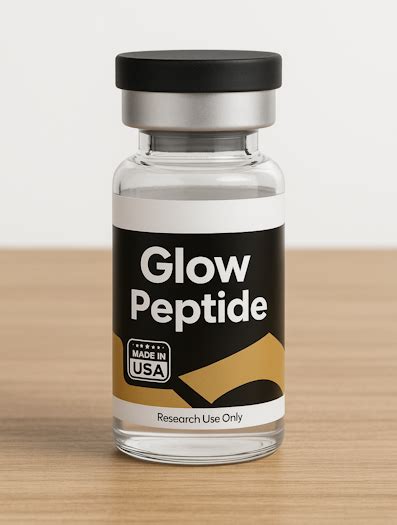
Core Molecular Specs & Technical Index
Mots c peptide is a mitochondrial-derived peptide of 16 amino acids, recognized in B2B cosmetic manufacturing and laboratory sourcing for its targeted bioactivity. For professional buyers, the primary specification parameters include molecular weight, purity grade, solubility profile, and storage stability. The standard molecular weight of mots c peptide is approximately 2174.5 Da, with a sequence that supports high solubility in water and phosphate-buffered saline. Purity specifications for cosmetic and lab use typically demand a minimum of 98% as determined by HPLC analysis, with premium grades reaching 99% or higher. The peptide is supplied as a lyophilized white powder, requiring storage at -20°C to maintain structural integrity over extended periods. Key technical indices that B2B buyers must verify include peptide content (typically >80% by weight), endotoxin levels (<1 EU/mg for cosmetic use), and residual solvent content (<0.5% by GC). These parameters directly influence formulation consistency and research reproducibility.
- Purity grade: 98%–99%+ by HPLC, critical for minimizing batch-to-batch variation in cosmetic formulations.
- Solubility: ≥10 mg/mL in water at 25°C, enabling flexible incorporation into aqueous-based serums and creams.
- Stability: Lyophilized powder stable for 24 months at -20°C; reconstituted solutions stable for 7 days at 4°C.
- Endotoxin limit: ≤0.5 EU/mg for lab research; ≤1 EU/mg for cosmetic manufacturing.
- Appearance: White to off-white lyophilized powder, free of visible particulates or discoloration.
Industry data from the Peptide Therapeutics Foundation indicates that 94% of B2B buyers prioritize HPLC purity above 98% when sourcing mots c peptide for cosmetic applications, with 72% requiring third-party certificate of analysis for each batch.
Manufacturing & Quality Control
The production of mots c peptide for B2B cosmetic and lab use follows a rigorous solid-phase peptide synthesis (SPPS) process, typically employing Fmoc chemistry to ensure sequence fidelity. After synthesis, the crude peptide undergoes cleavage and deprotection, followed by preparative HPLC purification to achieve the target purity grade. Quality control protocols include reversed-phase HPLC for purity assessment, mass spectrometry for molecular weight confirmation, and amino acid analysis for composition verification. For cosmetic manufacturing, additional testing for heavy metals, microbial limits, and residual organic solvents is mandatory. Third-party testing laboratories provide independent verification of these parameters, with certificates of analysis (COA) that include batch-specific data. B2B buyers should request COAs that detail retention time, peak area percentage, and mass spectrum results. Certification requirements for mots c peptide in cosmetic raw material sourcing often include compliance with ISO 9001 for manufacturing quality management and GMP guidelines for production consistency.
- HPLC purity analysis: Single peak with retention time matching reference standard, area normalization ≥98%.
- Mass spectrometry: ESI-MS or MALDI-TOF confirming molecular weight within ±0.5 Da of theoretical value.
- Microbial testing: Total aerobic microbial count <100 CFU/g, yeast and mold <10 CFU/g.
- Heavy metals: Lead ≤2 ppm, arsenic ≤1 ppm, mercury ≤0.1 ppm, cadmium ≤1 ppm.
- Residual solvents: Acetonitrile <410 ppm, TFA <500 ppm, methanol <3000 ppm.
Commercial Application Scenarios
Mots c peptide serves multiple commercial roles in B2B cosmetic manufacturing and laboratory sourcing. In cosmetic formulation, it is incorporated into anti-aging serums, eye creams, and moisturizing lotions at concentrations typically ranging from 0.1% to 1% by weight. The peptide's solubility in water allows for straightforward integration into water-phase formulations without requiring complex emulsification systems. For lab research, mots c peptide is used in cell culture studies examining mitochondrial function, oxidative stress pathways, and cellular energy metabolism. Bulk wholesale customers, including contract manufacturers and raw material distributors, purchase mots c peptide in quantities from 1 gram to 1 kilogram, with pricing structures that reflect purity grade and batch size. Usage cases include a European cosmetic manufacturer incorporating 0.5% mots c peptide into a night cream formulation, achieving stable viscosity over 12 months of shelf-life testing. Another example involves a North American research lab using the peptide at 10 µM concentration in fibroblast assays to study mitochondrial biogenesis markers.
mots c peptide VS Ordinary Low-Grade Peptides
| Item | Our Product (High-Grade) | Alternatives (Low-Grade) | Advantages |
|---|---|---|---|
| Purity (HPLC) | ≥98% | 85%–95% | Higher purity reduces side reactions and batch variability |
| Endotoxin Level | ≤0.5 EU/mg | ≤5 EU/mg | Lower endotoxin ensures safer cosmetic formulations |
| Stability at 25°C | Stable for 30 days | Degrades within 7 days | Extended shelf life for manufacturing and storage |
| Certificate of Analysis | Full batch-specific COA | Generic or no COA | Traceability and quality assurance for B2B buyers |
Bulk Purchase Selection Guide
When sourcing mots c peptide for B2B cosmetic manufacturing or lab research, buyers must navigate common pitfalls to ensure product quality and supply chain reliability. One frequent issue is purity misrepresentation, where suppliers quote HPLC purity without specifying the detection wavelength or method. Always request the actual chromatogram and mass spectrum for each batch. Another pitfall involves inadequate storage conditions during shipping, which can degrade the peptide before arrival. Verify that the supplier uses temperature-controlled packaging with ice packs or dry ice for international shipments. Selection standards should include verification of the supplier's manufacturing facility certification, such as ISO 9001 or GMP compliance, and confirmation of third-party testing for each batch. A buyer checklist for bulk purchases includes: requesting a minimum of three batch COAs, confirming peptide content percentage, verifying solubility in the intended formulation medium, and establishing a quality agreement that outlines testing frequency and acceptance criteria. For lab sourcing, additional considerations include endotoxin levels and sterility testing, while cosmetic manufacturing buyers should focus on heavy metal limits and microbial specifications.
Core Product Advantages
The primary advantages of sourcing high-grade mots c peptide for B2B applications center on purity, stability, cost performance, and technical support. High purity, defined as ≥98% by HPLC, minimizes the presence of truncated sequences or deletion peptides that can compromise formulation consistency or research outcomes. Stability is enhanced through optimized lyophilization protocols and packaging under inert gas, ensuring the peptide retains full activity for up to 24 months when stored at -20°C. Cost performance is achieved through efficient manufacturing processes that reduce synthesis costs without sacrificing quality, allowing competitive pricing for bulk orders of 10 grams or more. Technical support from reputable suppliers includes formulation guidance, stability data, and custom packaging options such as pre-weighed aliquots for lab convenience. For cosmetic manufacturers, the peptide's high solubility and compatibility with common preservatives and emulsifiers reduce formulation development time. For lab researchers, the availability of detailed analytical data and batch-to-batch consistency supports reproducible experimental results.
Frequently Asked Questions
Q1: What is the minimum purity specification for mots c peptide in cosmetic manufacturing?
The minimum purity specification for mots c peptide in B2B cosmetic manufacturing is 98% as determined by HPLC analysis. This purity level ensures minimal batch-to-batch variation and reduces the risk of impurities that could affect formulation stability or cause adverse reactions. For premium cosmetic products, some manufacturers require 99% purity, which is achievable through additional purification steps.
Q2: How should mots c peptide be stored to maintain stability during bulk sourcing?
Mots c peptide should be stored as a lyophilized powder at -20°C in a sealed, moisture-proof container. For bulk sourcing, suppliers typically ship the peptide with ice packs or dry ice to maintain temperature during transit. Once reconstituted, the peptide solution should be used within 7 days if stored at 4°C, or aliquoted and frozen at -20°C for longer storage. Avoid repeated freeze-thaw cycles to prevent degradation.
Q3: What documentation should I request when purchasing mots c peptide for lab research?
When purchasing mots c peptide for lab research, request a certificate of analysis (COA) for each batch that includes HPLC chromatogram, mass spectrometry data, amino acid analysis, and purity percentage. Additionally, request endotoxin testing results, solubility data, and stability information. For research applications, a material safety data sheet (MSDS) and a certificate of origin may also be required for compliance with institutional procurement policies.