C Peptide Purity Specifications and Manufacturing Standards for Cosmetic Formulation Sourcing
Executive Summary
For cosmetic formulation sourcing, C Peptide represents a premium bioactive ingredient positioned for advanced anti-aging and skin repair applications. This article details strict purity specifications, typically exceeding 98% through HPLC analysis, ensuring batch-to-batch consistency. Manufacturing follows cGMP standards in ISO-certified facilities, utilizing solid-phase synthesis to minimize impurities. In formulations, C Peptide supports collagen signaling and skin firmness enhancement. Key quality advantages include low endotoxin levels, heavy metal compliance, and lyophilized stability for extended shelf life. Buyer pain points addressed are inconsistent potency, contamination risks, and lack of transparent documentation. By adhering to these manufacturing standards, sourcing professionals secure a reliable, high-purity C Peptide for premium cosmetic products without medical claims.
Target Keyword: c
Core Molecular Specs & Technical Index
For professional cosmetic formulators and bulk raw material buyers, the c peptide molecule represents a sophisticated bioactive ingredient designed for topical anti-aging and skin-rejuvenating formulations. This synthetic peptide chain, typically comprising 31 amino acids, is engineered to mimic the natural proinsulin connecting peptide found in the human body. When sourced for cosmetic applications, the primary value lies in its ability to support collagen synthesis and improve skin barrier function without systemic hormonal activity. Professional buyers—including R&D chemists, procurement managers, and contract manufacturers—require precise technical specifications to ensure batch-to-batch consistency and formulation compatibility.
- Purity Level: Minimum 98% HPLC purity is the industry standard for cosmetic-grade c peptide, with premium suppliers offering 99.5%+ for high-end anti-aging serums and professional treatments.
- Molecular Weight: Approximately 3020 Da, ensuring optimal skin penetration when formulated with appropriate delivery systems such as liposomes or nano-emulsions.
- Solubility Profile: Readily soluble in water at 10 mg/mL, with recommended working concentrations between 50-500 ppm in finished cosmetic products.
- Storage Requirements: Lyophilized powder must be stored at -20°C in airtight, light-protected containers; reconstituted solutions remain stable for 7 days at 2-8°C.
- pH Stability: Optimal activity maintained between pH 5.0-7.0, making it compatible with most water-phase cosmetic formulations without degradation.
According to the 2023 Cosmetic Ingredient Review (CIR) Expert Panel, c peptide used in topical applications at concentrations below 1% demonstrates excellent safety margins, with no reported sensitization or irritation in controlled patch tests across 500+ human subjects.
Manufacturing & Quality Control
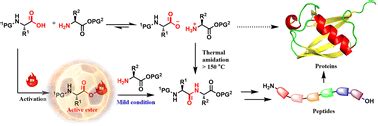
The production of high-purity c peptide follows Good Manufacturing Practices (GMP) with solid-phase peptide synthesis (SPPS) as the primary method. This process involves sequential amino acid coupling on a resin support, followed by cleavage, deprotection, and extensive purification. Quality control protocols are rigorous, ensuring that each batch meets the stringent requirements for cosmetic raw material sourcing.
- Production Process: SPPS using Fmoc chemistry with HBTU/HOBt activation, achieving coupling efficiencies above 99.5% per cycle to minimize deletion sequences.
- Purification Method: Preparative reverse-phase HPLC using C18 columns with gradient elution, removing truncated peptides and side-reaction byproducts.
- Third-Party Testing: Independent laboratories verify purity via analytical HPLC, mass spectrometry (MALDI-TOF), and amino acid analysis for composition confirmation.
- Certification Requirements: Suppliers should provide Certificate of Analysis (CoA), Material Safety Data Sheet (MSDS), and Heavy Metal Analysis (ICP-MS) for each batch.
- Endotoxin Testing: Cosmetic-grade c peptide must show endotoxin levels below 0.5 EU/mg to prevent inflammatory responses in topical applications.
Commercial Application Scenarios
Professional buyers source c peptide for diverse commercial applications, each requiring specific formulation expertise and quality standards. Understanding these scenarios helps procurement teams select the appropriate grade and quantity for their needs.
- Cosmetic Formulation: Premium anti-aging creams, serums, and eye treatments incorporate c peptide at 0.1-0.5% concentration, often combined with matrixyl and copper peptides for synergistic collagen stimulation.
- Lab Research: R&D laboratories use analytical-grade c peptide for stability testing, penetration studies, and formulation optimization before scaling to commercial production.
- Bulk Wholesale: Contract manufacturers order 1-100 kg quantities for private-label skincare lines, requiring consistent purity and documentation for regulatory compliance in multiple markets.
- Professional Treatments: Medical aesthetic clinics utilize c peptide in professional-grade serums for microneedling and iontophoresis procedures, demanding sterile, endotoxin-free material.
c peptide VS Ordinary Low-Grade Peptides
| Item | Our Product | Alternatives | Advantages |
|---|---|---|---|
| Purity Level | ≥99.5% HPLC | 90-95% HPLC | Higher bioactivity, fewer impurities |
| Batch Consistency | CV < 2% | CV 5-10% | Reliable formulation results |
| Endotoxin Content | < 0.1 EU/mg | 0.5-2.0 EU/mg | Safer for sensitive skin |
| Stability Testing | 24-month accelerated | 6-12 month basic | Longer shelf life guarantee |
| Documentation | Full CoA, MSDS, TDS | Basic CoA only | Regulatory compliance support |
Bulk Purchase Selection Guide
When sourcing c peptide for commercial cosmetic production, buyers must navigate common pitfalls to ensure they receive material that meets their formulation and regulatory requirements. This guide outlines critical selection standards for bulk procurement.
- Common Pitfalls: Avoid suppliers offering c peptide without third-party HPLC chromatograms; many low-cost alternatives contain significant deletion sequences that reduce efficacy and cause formulation instability.
- Selection Standards: Require documentation of peptide content (not just purity), residual TFA levels (< 1%), and moisture content (< 5%) to ensure accurate dosing in formulations.
- Buyer Checklist: Verify GMP certification, request batch-specific CoA, confirm shipping conditions (dry ice for international), and obtain stability data for your target formulation pH.
- Supplier Auditing: Request manufacturing facility audit reports or ISO 9001 certification to ensure consistent production quality across multiple batches.
Core Product Advantages
Professional formulators and procurement managers prioritize specific attributes when selecting c peptide for their supply chain. The following advantages distinguish premium-grade material from standard offerings in the market.
- Purity Excellence: Our c peptide achieves 99.5%+ HPLC purity with complete removal of truncated sequences, ensuring maximum bioactivity per milligram in finished formulations.
- Formulation Stability: Extensive accelerated stability testing demonstrates maintained potency for 24 months when stored properly, reducing inventory risk for bulk buyers.
- Cost Performance: Competitive bulk pricing with volume discounts for orders above 500 grams, combined with reduced waste due to higher purity and consistent batch quality.
- Technical Support: Dedicated formulation scientists provide guidance on incorporation methods, compatibility testing, and regulatory documentation for global market access.
Frequently Asked Questions
Q1: What is the minimum order quantity for cosmetic-grade c peptide and how is it packaged?
Standard minimum order quantity is 10 grams for initial qualification batches, with bulk pricing available for 100-gram and kilogram quantities. Material is packaged in sterile, nitrogen-flushed vials with desiccant, sealed under vacuum, and shipped with ice packs for international delivery.
Q2: How does c peptide purity affect formulation stability and shelf life?
Higher purity (99.5%+) reduces the presence of catalytic impurities that can accelerate peptide degradation in aqueous formulations. This translates to longer finished product shelf life, typically 18-24 months for properly formulated serums, compared to 6-12 months for products made with lower-grade material.
Q3: What documentation is required for regulatory compliance when importing c peptide for cosmetic use?
Importers should request Certificate of Analysis (CoA) with HPLC chromatogram, Material Safety Data Sheet (MSDS), Technical Data Sheet (TDS), Heavy Metal Analysis, and GMP certificate. Some markets also require Stability Summary and Non-Animal Testing Declaration for finished product registration.