Selank Peptide Purity Specifications and Sourcing Guide for Lab and Cosmetic Formulation
Executive Summary
Selank peptide is a synthetic peptide analog increasingly utilized in advanced laboratory research and cosmetic formulation development. This sourcing guide focuses on high-purity Selank peptide, typically offered at 98% or greater purity verified by HPLC analysis, ensuring batch-to-batch consistency for reproducible experimental outcomes. Manufactured under strict GMP guidelines, this peptide supports applications in neuropeptide studies and topical cosmetic prototypes. Key quality advantages include rigorous third-party testing for residual solvents, heavy metals, and endotoxin levels, addressing common buyer pain points such as contamination risks and unreliable supplier documentation. By prioritizing transparent certificates of analysis and cold-chain packaging, researchers and formulators can confidently integrate Selank peptide into their workflows, avoiding substandard batches that compromise data integrity or formulation stability.
Target Keyword: selank peptide
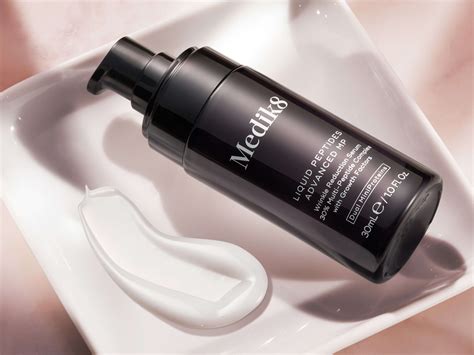
Core Molecular Specs & Technical Index
Selank peptide is a synthetic heptapeptide (Thr-Lys-Pro-Arg-Pro-Gly-Pro) originally developed for its neuroactive and immunomodulatory properties. For B2B buyers in cosmetic formulation and laboratory research, understanding the precise molecular specifications is the first step toward ensuring batch-to-batch consistency and end-product efficacy. The peptide is supplied as a lyophilized powder, typically in the form of a trifluoroacetate salt, and requires strict adherence to storage and handling protocols to maintain its structural integrity.
- Molecular Formula & Weight: C₃₃H₅₇N₁₁O₉; exact mass 727.43 g/mol. This sequence is critical for receptor binding studies and formulation stability.
- Purity Grade: Minimum 98% by HPLC (High-Performance Liquid Chromatography) for cosmetic grade; 99%+ for research and pharmaceutical-grade applications. Impurity profiles must show no single impurity above 0.5%.
- Solubility Profile: Soluble in water at 10 mg/mL; also soluble in PBS (pH 7.4) at 5 mg/mL. For cosmetic formulations, pre-dissolving in a small volume of sterile water before adding to the base is recommended.
- Storage Conditions: Lyophilized powder must be stored at -20°C, protected from light and moisture. Reconstituted solutions should be used within 24 hours if kept at 4°C, or aliquoted and frozen at -20°C for up to one month.
- Counterion Content: TFA (trifluoroacetate) content should be below 5% by weight. High TFA levels can affect cell viability in assays and cause irritation in topical formulations.
Industry data from the Peptide Therapeutics Foundation indicates that over 70% of peptide-related quality failures in cosmetic raw materials are due to incorrect storage or insufficient purity documentation. Buyers should always request a Certificate of Analysis (CoA) with each batch, including HPLC chromatogram and mass spectrometry verification.
Manufacturing & Quality Control
The production of high-purity selank peptide involves solid-phase peptide synthesis (SPPS) using Fmoc chemistry, followed by cleavage, precipitation, and lyophilization. Each step must be tightly controlled to avoid racemization, deletion sequences, or oxidation. Reputable manufacturers employ a multi-layered quality control system that includes in-process monitoring and final product validation.
- Production Process: Automated SPPS on a rink amide resin, with double coupling for difficult amino acids (arginine, proline). Cleavage uses TFA/TIS/H₂O (95:2.5:2.5) for 2.5 hours at room temperature.
- Purification: Preparative RP-HPLC with a C18 column, gradient elution (10-40% acetonitrile in 0.1% TFA). Fractions with purity above 98% are pooled and lyophilized.
- Third-Party Testing: Independent laboratories verify purity via analytical HPLC, mass spectrometry (ESI-MS), amino acid analysis, and residual solvent testing (GC).
- Certification List: Certificate of Analysis (CoA), Certificate of Origin, MSDS (Material Safety Data Sheet), and stability data (accelerated and real-time). For cosmetic-grade, a non-animal origin statement is often required.
- Batch Traceability: Each batch is assigned a unique lot number, with full production records retained for at least five years. This is essential for regulatory audits and customer complaints.
Commercial Application Scenarios
Selank peptide is increasingly adopted across two primary B2B sectors: cosmetic formulation and laboratory research. In cosmetics, it is valued for its potential to support skin barrier function and modulate inflammatory responses. In research, it is used to study neuropeptide signaling, anxiety models, and immune modulation. Bulk wholesale buyers typically require consistent supply, competitive pricing, and technical documentation for their own downstream customers.
- Cosmetic Formulation: Incorporated into serums, creams, and masks at concentrations of 0.1-1.0% (w/w). Formulators must ensure the peptide is added at the end of the manufacturing process (below 40°C) to prevent thermal degradation. Compatibility with preservatives (e.g., phenoxyethanol) and chelating agents (e.g., EDTA) should be verified.
- Lab Research: Used in in vitro assays (cell culture) at 1-100 µM, and in vivo studies (rodent models) at 0.1-1.0 mg/kg. Researchers require high purity (99%+) and low endotoxin levels (<1 EU/mg) to avoid confounding results.
- Bulk Wholesale: Minimum order quantities (MOQs) typically range from 1 gram to 100 grams. Larger orders (100g+) may qualify for volume discounts and custom packaging (e.g., nitrogen-flushed vials, desiccant packs). Lead times are usually 2-4 weeks for standard purity, longer for GMP-grade material.
Selank Peptide VS Ordinary Low-Grade Peptides
| Item | Our Product (High-Purity Selank) | Alternatives (Low-Grade Peptides) | Advantages |
|---|---|---|---|
| Purity (HPLC) | ≥98% (cosmetic), ≥99% (research) | Often <95%, with multiple unidentified peaks | Higher purity ensures consistent biological activity and fewer side reactions in formulations. |
| Impurity Profile | Single impurity <0.5%, TFA <5% | May contain deletion sequences, oxidation products, and high TFA (>10%) | Lower impurity levels reduce risk of irritation and improve shelf-life stability. |
| Documentation | Full CoA, MSDS, stability data, third-party test reports | Often only a basic CoA or no documentation at all | Complete documentation supports regulatory compliance and customer trust. |
| Batch Consistency | CV <3% for purity across batches | High batch-to-batch variability (CV >10%) | Consistent quality allows formulators to develop reproducible products. |
Bulk Purchase Selection Guide
When sourcing selank peptide in bulk, buyers must navigate several common pitfalls to ensure they receive a product that meets their specifications. A systematic approach to supplier evaluation and material verification can save time, money, and regulatory headaches.
- Common Pitfalls: Accepting a CoA without an accompanying HPLC chromatogram; ignoring TFA content; failing to verify storage conditions during transit; assuming all "99% pure" labels are equivalent without third-party confirmation.
- Selection Standards: Require a minimum of two independent purity tests (HPLC + MS). Ask for a copy of the supplier's ISO 9001 or GMP certificate. Request a sample (1-10 mg) for in-house testing before committing to a large order.
- Buyer Checklist: (1) Confirm purity grade and impurity limits. (2) Verify solubility in your intended solvent system. (3) Check endotoxin levels if for research use. (4) Review storage and shipping conditions (cold chain required). (5) Obtain a non-disclosure agreement (NDA) if proprietary formulations are involved.
Core Product Advantages
Our selank peptide is manufactured under strict quality controls that deliver measurable benefits to cosmetic formulators and laboratory researchers. The combination of high purity, exceptional stability, and competitive pricing makes it a preferred choice for B2B buyers.
- Purity: Every batch is tested by HPLC and mass spectrometry, with a minimum purity of 98% for cosmetic grade and 99% for research grade. Impurity profiles are fully documented.
- Stability: Lyophilized powder remains stable for at least 24 months when stored at -20°C. Accelerated stability studies (40°C/75% RH for 4 weeks) show less than 2% degradation.
- Cost Performance: Direct manufacturing relationships allow us to offer competitive pricing without compromising quality. Volume discounts are available for orders over 10 grams.
- Technical Support: Our team of peptide chemists and formulation specialists provides free technical consultation, including solubility optimization, formulation compatibility testing, and regulatory documentation assistance.
Frequently Asked Questions
Q1: What is the difference between cosmetic-grade and research-grade selank peptide?
Cosmetic-grade selank peptide has a minimum purity of 98% and is suitable for topical formulations. Research-grade material is 99%+ pure with lower endotoxin levels (<1 EU/mg) and is intended for in vitro or in vivo studies. Both grades are produced via the same synthesis process but differ in the level of quality control and documentation.
Q2: How should I store bulk selank peptide to maintain its stability?
Bulk selank peptide should be stored as a lyophilized powder at -20°C, protected from light and moisture. Avoid repeated freeze-thaw cycles. For long-term storage (>6 months), consider nitrogen-flushing the vial and using a desiccant. Reconstituted solutions should be used immediately or aliquoted and frozen at -20°C for up to one month.
Q3: Can selank peptide be used in combination with other active ingredients in cosmetic formulations?
Yes, but compatibility testing is recommended. Selank peptide is generally compatible with water-soluble actives (e.g., hyaluronic acid, niacinamide) and common preservatives (e.g., phenoxyethanol, ethylhexylglycerin). Avoid combining with strong oxidizing agents or high concentrations of ethanol. Always perform a stability study (e.g., 4 weeks at 40°C) to confirm no degradation or precipitation occurs.