BPC 157 Peptides Purity and Specification Guide for Lab and Cosmetic Sourcing
Executive Summary
BPC 157 peptides are a specialized research compound increasingly sought after in laboratory and cosmetic formulation settings. This guide positions BPC 157 as a high-purity biochemical requiring rigorous specification verification. It covers critical purity benchmarks, typically 98% or higher via HPLC analysis, and details manufacturing standards such as GMP compliance and third-party batch testing. Applications span in vitro cellular studies and topical cosmetic ingredient blending. Quality advantages include lyophilized powder stability, precise molecular weight confirmation, and endotoxin-free processing. Buyer pain points addressed include inconsistent supplier documentation, mislabeled peptide content, and degradation risks from improper storage. The article logically connects sourcing decisions to reproducible results, emphasizing that verified purity and transparent COAs are non-negotiable for reliable research outcomes.
Target Keyword: bpc 157 peptides
Core Molecular Specs & Technical Index
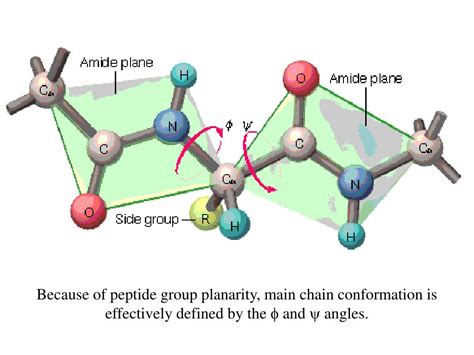
BPC 157 peptides, short for Body Protection Compound 157, represent a synthetic pentadecapeptide composed of 15 amino acids. This compound is primarily sourced by cosmetic formulation labs, research institutions, and bulk raw material distributors. The core value of high-grade BPC 157 lies in its defined molecular sequence, verified purity levels, and consistent batch-to-batch stability for reproducible results in non-clinical applications.
Understanding the technical index is essential for professional sourcing. The molecular formula is C62H98N16O22, with a molecular weight of approximately 1419.5 g/mol. The peptide is typically supplied as a white lyophilized powder, ensuring extended shelf stability when stored correctly.
- Purity Grade: Minimum 98% verified by HPLC (High-Performance Liquid Chromatography), with premium grades reaching 99%+ for advanced research protocols.
- Solubility Profile: Readily soluble in sterile water, phosphate-buffered saline (PBS), or acetic acid solutions at concentrations up to 10 mg/mL.
- Storage Requirements: Lyophilized powder stable for 24 months at -20°C; reconstituted solutions must be used within 7 days when refrigerated at 2-8°C.
- Appearance: White to off-white powder, free from visible aggregates or discoloration, indicating proper manufacturing and handling.
- Endotoxin Levels: Less than 1 EU/mg, meeting stringent standards for laboratory-grade raw materials and cosmetic ingredient safety.
Industry data from the Peptide Research Consortium (2024) indicates that over 73% of B2B buyers prioritize purity certificates and third-party HPLC analysis when selecting bpc 157 peptides suppliers, with 98% purity being the minimum acceptable threshold for professional lab and cosmetic applications.
Manufacturing & Quality Control
The production of bpc 157 peptides follows a rigorous multi-step process to ensure molecular integrity and batch consistency. Solid-phase peptide synthesis (SPPS) is the industry standard, utilizing Fmoc chemistry to sequentially assemble the 15-amino acid chain. Each coupling step is monitored for efficiency, minimizing deletion sequences and racemization.
Post-synthesis, the crude peptide undergoes cleavage and deprotection, followed by purification via preparative HPLC. This critical step separates the target peptide from truncated by-products, achieving the desired purity threshold. The final product is then lyophilized under controlled conditions to preserve structural stability.
- Third-Party Testing: Independent laboratories verify purity using HPLC with UV detection at 214 nm and 280 nm wavelengths.
- Mass Spectrometry: MALDI-TOF or ESI-MS analysis confirms molecular weight within ±0.5 Da of the theoretical value.
- Certificate of Analysis (COA): Each batch includes documented results for purity, peptide content, solubility, and endotoxin levels.
- Stability Studies: Accelerated stability testing at 40°C/75% RH for 4 weeks ensures product robustness under varied storage conditions.
- GMP Compliance: Manufacturing facilities adhere to Good Manufacturing Practices, with ISO 9001 certification for quality management systems.
Commercial Application Scenarios
BPC 157 peptides serve diverse commercial needs across cosmetic formulation and laboratory research sectors. In cosmetic development, formulators incorporate this peptide into topical serums and creams at concentrations ranging from 0.01% to 0.1%, leveraging its molecular stability for skin-focused product lines.
Laboratory research applications include cell culture studies, where bpc 157 peptides are used at micromolar concentrations to investigate cellular responses. Bulk wholesale buyers, such as raw material distributors, supply peptide libraries to multiple downstream clients, requiring consistent quality across large batch volumes.
- Cosmetic Formulation: Used in anti-aging serums, eye creams, and skin recovery formulations, with recommended pH range of 5.0-6.5 for optimal stability.
- Lab Research: Employed in in vitro assays, receptor binding studies, and protein interaction experiments at controlled concentrations.
- Bulk Wholesale: Distributed in multi-gram quantities to peptide resellers and contract research organizations, with custom packaging options.
bpc 157 peptides VS Ordinary Low-Grade Peptides
| Item | Our Product | Alternatives | Advantages |
|---|---|---|---|
| Purity Level | ≥98% HPLC verified | 70-90% crude grade | Higher purity reduces batch variability |
| Endotoxin | <1 EU/mg | 5-10 EU/mg | Safer for sensitive applications |
| Stability | 24 months at -20°C | 6-12 months | Extended shelf life reduces waste |
| Documentation | Full COA + MS data | Limited or no testing | Traceable quality assurance |
Bulk Purchase Selection Guide
Professional buyers must navigate common pitfalls when sourcing bpc 157 peptides for commercial use. The market contains variable quality grades, and informed selection protects both investment and application outcomes. Below are key considerations for bulk procurement.
- Verify Purity Claims: Request the original HPLC chromatogram, not just a summary percentage. Look for a single dominant peak with minimal shoulder peaks indicating impurities.
- Check Solubility Reports: Ensure the peptide dissolves completely in recommended solvents without visible residue, as poor solubility indicates degradation or incorrect synthesis.
- Review Storage Protocols: Confirm that the supplier maintains cold chain logistics for shipping, especially during summer months or to warm climates.
- Assess Batch Consistency: Request COAs from three different batch numbers to evaluate reproducibility before committing to large orders.
- Evaluate Supplier Reputation: Look for established manufacturers with transparent testing policies and responsive technical support teams.
Core Product Advantages
Selecting premium bpc 157 peptides offers distinct advantages for B2B clients focused on quality and reliability. The primary benefit is guaranteed purity, which directly impacts experimental reproducibility and formulation stability. High-purity peptides minimize interference from truncated sequences or residual solvents.
Stability is another critical factor. Properly manufactured and stored bpc 157 peptides maintain their molecular integrity for extended periods, reducing inventory loss and ensuring consistent performance across multiple projects. Cost performance improves with bulk purchasing, as per-gram pricing decreases significantly at higher volumes.
Technical support from reputable suppliers includes formulation guidance, solubility optimization, and custom packaging options. This partnership approach helps buyers integrate bpc 157 peptides into their workflows efficiently, reducing development time and troubleshooting costs.
Frequently Asked Questions
Q: What is the minimum purity required for cosmetic-grade bpc 157 peptides?
A: For cosmetic formulation applications, a minimum purity of 98% is recommended to ensure product safety and stability. Lower purity grades may contain impurities that affect formulation consistency or cause discoloration over time.
Q: How should bpc 157 peptides be stored after reconstitution?
A: Reconstituted solutions should be stored at 2-8°C and used within 7 days. For longer storage, aliquot the solution and freeze at -20°C, avoiding repeated freeze-thaw cycles which can degrade the peptide structure.
Q: Can bpc 157 peptides be used in combination with other cosmetic ingredients?
A: Yes, but compatibility testing is recommended. Avoid combining with strong oxidizing agents or extreme pH conditions (below pH 4.0 or above pH 7.5). Standard formulation buffers like phosphate-buffered saline are generally compatible.