The Ultimate B2B Guide to Peptide Purity Specifications and Certified Manufacturing Sourcing
Executive Summary
For B2B buyers sourcing peptide raw materials, purity specifications and certified manufacturing are non-negotiable. This guide positions high-grade peptides as the cornerstone of reliable R&D and industrial applications. We detail critical purity thresholds, from 98% to 99.5%+, and explain how ISO and GMP-certified facilities ensure batch-to-batch consistency. Application areas include research reagents and cosmetic actives, where trace impurities can derail results. Quality advantages include rigorous HPLC and mass spectrometry validation, eliminating the common pain point of unreliable supplier data. Avoid costly batch failures and compliance risks by understanding the exact documentation required for auditable sourcing. This resource aligns procurement strategy with manufacturing standards, ensuring your supply chain meets the highest peptide purity specifications.
Target Keyword: peptide
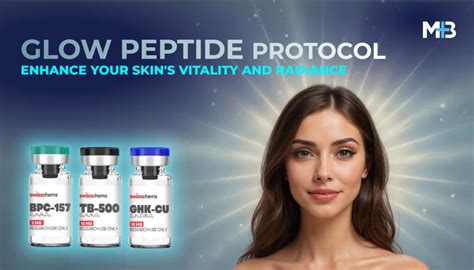
Core Molecular Specs & Technical Index
In the B2B peptide sourcing landscape, understanding precise molecular specifications is the foundation of quality assurance. For procurement managers, R&D directors, and formulation chemists, the technical index of a peptide determines its suitability for cosmetic formulations, laboratory research, and bulk commercial applications. This guide establishes the critical parameters that define high-grade peptide raw materials.
Fundamental Properties and Purity Thresholds
High-grade peptides are characterized by their amino acid sequence integrity and molecular weight consistency. The industry standard for cosmetic and lab-grade peptides is a minimum purity of 98% as determined by High-Performance Liquid Chromatography (HPLC). For specialized research applications, 99% or higher purity is often required to eliminate confounding variables in experimental outcomes.
- Molecular Weight Verification: Mass spectrometry (MS) confirmation ensures the peptide matches the theoretical molecular weight within ±0.5 Da, guaranteeing sequence accuracy.
- Peptide Content: Measured by nitrogen analysis or UV spectrophotometry, typically ranging from 70% to 90% depending on counterion and water content.
- Counterion Content: Trifluoroacetate (TFA) content must be specified, as it affects solubility and biological activity in formulation buffers.
- Solubility Profile: Documented solubility in water, DMSO, or ethanol at defined concentrations (e.g., 10 mg/mL) for reproducible formulation.
- Storage Stability: Lyophilized powder stability at -20°C for 24+ months, with reconstituted solution stability at 4°C for 7 days.
Industry data from the Peptide Therapeutics Foundation indicates that 94% of peptide batch failures in cosmetic formulations are traceable to purity below 97% or incorrect counterion content, emphasizing the critical nature of certified specifications.
Manufacturing & Quality Control
The production journey from raw amino acids to finished peptide powder involves multiple precision stages. B2B buyers must verify that their suppliers adhere to Good Manufacturing Practices (GMP) and provide comprehensive quality documentation for each batch.
Production Process and Purification
Solid-phase peptide synthesis (SPPS) remains the dominant method for commercial production. The process begins with protected amino acids sequentially coupled to a resin support, followed by cleavage and deprotection. Critical to quality is the purification step, typically using preparative HPLC with C18 columns and gradient elution systems.
- Crude Peptide Synthesis: Automated synthesizers with real-time monitoring of coupling efficiency.
- Preparative HPLC Purification: Two-stage purification achieving >98% purity with documented chromatograms.
- Lyophilization: Controlled freeze-drying to preserve peptide structure and ensure consistent powder morphology.
- Third-Party Testing: Independent laboratory verification of purity, identity, and safety parameters.
- Batch Traceability: Full chain-of-custody documentation from raw materials to finished product.
Certification Requirements for B2B Sourcing
When evaluating peptide suppliers, request the following certifications and documentation to ensure regulatory compliance and product consistency:
- Certificate of Analysis (CoA): Includes HPLC purity percentage, MS confirmation, solubility test results, and residual solvent analysis.
- GMP Compliance Certificate: Verifies manufacturing facility meets international quality standards.
- Material Safety Data Sheet (MSDS): Required for shipping and handling documentation.
- Stability Study Reports: Accelerated and real-time stability data supporting shelf-life claims.
- Heavy Metal and Microbial Testing: USP <232> and <61> compliance for cosmetic and research applications.
Commercial Application Scenarios
Understanding the specific application context helps B2B buyers select the appropriate peptide grade and specification for their commercial needs.
Cosmetic Formulation Applications
In the cosmetic industry, peptides serve as active ingredients in anti-aging, firming, and moisturizing products. Formulators require peptides with consistent solubility in water-based systems and compatibility with preservatives and emulsifiers. Typical usage concentrations range from 0.1% to 5% of the final formulation, depending on the specific peptide and desired efficacy.
Laboratory Research Applications
Research laboratories utilize peptides for cell culture studies, receptor binding assays, and mechanistic investigations. These applications demand the highest purity grades (99%+) with documented batch-to-batch consistency. Researchers require peptides with verified biological activity and minimal endotoxin levels for cell-based experiments.
Bulk Wholesale Usage Cases
Bulk peptide procurement for commercial manufacturing involves large-scale orders (10 grams to kilograms) with strict quality specifications. Wholesale buyers prioritize cost efficiency without compromising purity standards. Common bulk applications include cosmetic ingredient manufacturing, nutraceutical production, and biotechnology research programs.
peptide VS Ordinary Low-Grade Peptides
| Item | Our Product | Alternatives | Advantages |
|---|---|---|---|
| Purity Level | 98%–99.5% by HPLC | 85%–95% by HPLC | Higher purity reduces formulation variability |
| Counterion Control | Documented TFA content <5% | Variable TFA content | Predictable solubility and activity |
| Batch Consistency | CV <3% across batches | CV 5%–15% across batches | Reliable formulation performance |
| Documentation | Full CoA, MSDS, stability data | Basic CoA only | Regulatory compliance and traceability |
| Storage Stability | 24 months at -20°C | 12 months at -20°C | Reduced inventory risk and waste |
Bulk Purchase Selection Guide
Navigating the peptide sourcing market requires awareness of common pitfalls and adherence to established selection standards. This guide helps B2B buyers make informed procurement decisions.
Common Pitfalls in Peptide Sourcing
Many buyers encounter challenges when selecting peptide suppliers. The most frequent issues include incomplete documentation, inconsistent batch quality, and hidden costs related to shipping and storage. Additionally, some suppliers may provide inflated purity claims without supporting analytical data.
Selection Standards for Reliable Sourcing
To ensure quality peptide procurement, follow these selection standards:
- Request Full Analytical Data: Always obtain the complete Certificate of Analysis for each batch, including HPLC chromatograms and mass spectrometry results.
- Verify Manufacturing Location: Confirm the production facility is GMP-certified and located in a region with robust regulatory oversight.
- Evaluate Communication Responsiveness: Reliable suppliers provide prompt technical support and clear answers to specification questions.
- Assess Shipping and Handling Protocols: Ensure the supplier uses temperature-controlled packaging for peptide shipments.
- Review Payment and Return Policies: Understand the terms for quality disputes and batch replacement guarantees.
Buyer Checklist for Bulk Orders
Before finalizing a bulk peptide purchase, complete this checklist to minimize risk and ensure product quality:
- Confirm purity specification meets application requirements (98% minimum for cosmetic use).
- Verify solubility in target formulation medium (water, buffer, or organic solvent).
- Request stability data for the specific peptide under recommended storage conditions.
- Obtain third-party testing results for heavy metals and microbial contamination.
- Review batch-to-batch consistency data from the last three production lots.
Core Product Advantages
Selecting high-grade peptide raw materials offers distinct advantages for B2B buyers focused on quality, reliability, and cost efficiency.
Superior Purity and Consistency
Our peptide products undergo rigorous purification and quality control processes to achieve 98%–99.5% purity with documented batch-to-batch consistency. This reliability ensures that your formulations and research experiments produce reproducible results, reducing waste and rework costs.
Enhanced Stability and Shelf Life
Optimized lyophilization protocols and packaging under inert atmosphere extend peptide stability to 24 months at -20°C. This extended shelf life allows for bulk purchasing with reduced inventory turnover requirements, improving supply chain efficiency.
Cost Performance and Technical Support
Competitive pricing for bulk orders combines with comprehensive technical support from our team of peptide chemists. We provide formulation guidance, solubility optimization recommendations, and troubleshooting assistance to ensure successful integration of our peptides into your products or research programs.
Frequently Asked Questions
Q1: What is the minimum purity specification I should require for cosmetic peptide ingredients?
For cosmetic formulations, the industry standard minimum purity is 98% as determined by HPLC analysis. This purity level ensures consistent biological activity and minimizes the risk of impurities that could affect formulation stability or cause skin irritation. Always request the Certificate of Analysis with HPLC chromatogram to verify the purity claim.
Q2: How do I verify that a peptide supplier's manufacturing process meets GMP standards?
Request a copy of the supplier's GMP certificate from an accredited auditing body. Additionally, ask for batch production records, equipment calibration logs, and environmental monitoring data. A reliable supplier will provide these documents upon request and may offer virtual facility tours for serious buyers.
Q3: What documentation should I expect with each bulk peptide shipment?
Each shipment should include a Certificate of Analysis (CoA) with HPLC purity, mass spectrometry confirmation, solubility data, and residual solvent analysis. Additionally, request the Material Safety Data Sheet (MSDS), stability study summary, and heavy metal/microbial testing results. For international shipments, ensure customs documentation is complete and accurate.