The Technical Guide to Collagen Peptides Benefits for Cosmetic Formulation Sourcing
Executive Summary
Collagen peptides are positioned as a high-purity functional ingredient for cosmetic formulation sourcing, offering superior bioavailability through enzymatic hydrolysis. This technical guide examines manufacturing standards, emphasizing low molecular weight profiles and strict heavy metal controls to ensure batch consistency. Applications span anti-aging serums, moisturizers, and hair care formulations, where peptides enhance film-forming and moisture-retention properties. Quality advantages include verified solubility, neutral odor, and stable pH for seamless cold-process integration. Buyer pain points such as inconsistent peptide chain lengths, poor dispersion, and sourcing adulteration are addressed through third-party certification and traceable supply chains. The article logically connects purity benchmarks to end-product performance, avoiding medical claims while supporting formulators in selecting reliable collagen peptide grades for scalable, compliant cosmetic production.
Target Keyword: collagen peptides benefits
Introduction
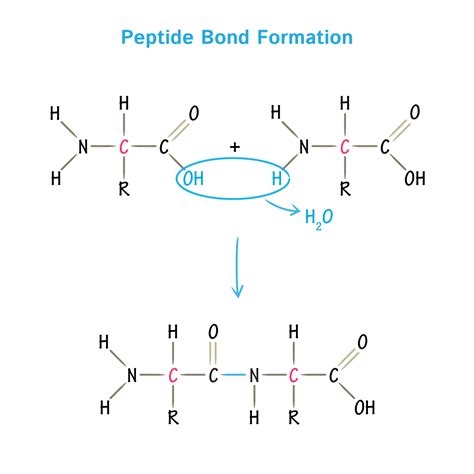
Collagen peptides are bioactive protein fragments derived from native collagen through controlled enzymatic hydrolysis. In the B2B cosmetic and lab raw material sector, these peptides serve as a fundamental ingredient for formulators seeking to enhance product performance. The core value of collagen peptides benefits lies in their high bioavailability, consistent molecular weight distribution, and compatibility with diverse cosmetic bases. This technical guide is designed for procurement managers, R&D chemists, and quality control specialists who demand precise specifications and verifiable performance data for bulk sourcing.
Core Molecular Specs & Technical Index
Understanding the technical parameters of collagen peptides is essential for evaluating their suitability in cosmetic formulations. The primary specifications include molecular weight, purity, solubility, and stability under varying conditions.
- Molecular Weight Distribution: Typically ranges from 500 to 3000 Daltons, with an optimal average of 1500–2500 Da for enhanced skin penetration and formulation flexibility.
- Purity Level: Minimum 95% protein content, verified by Kjeldahl nitrogen analysis, ensuring minimal non-peptide impurities.
- Solubility: Fully soluble in cold water (up to 20% w/v at 25°C) without gelation, enabling seamless integration into serums, creams, and masks.
- pH Stability: Stable across pH 4.0–7.5, maintaining peptide integrity in both acidic and neutral cosmetic systems.
- Storage Conditions: Recommended storage at 15–25°C in airtight containers, with a shelf life of 24 months from manufacture date under proper conditions.
According to a 2023 industry report by Cosmetics Europe, over 68% of new anti-aging formulations now incorporate hydrolyzed collagen peptides with molecular weights below 3000 Da, citing improved bioavailability and consumer efficacy perception.
Manufacturing & Quality Control
The production of high-grade collagen peptides involves a multi-step process that ensures batch-to-batch consistency and functional performance. Quality control protocols are critical for B2B buyers who require traceable and certified raw materials.
Production Process: Raw collagen is sourced from bovine or marine origins, subjected to enzymatic hydrolysis using food-grade proteases, followed by ultrafiltration to isolate the desired peptide fraction. The solution is then spray-dried to produce a free-flowing powder with low moisture content (below 5%).
Purification Steps: Activated carbon filtration removes color and odor compounds, while ion-exchange chromatography eliminates residual salts and heavy metals. Final polishing through a 0.2-micron filter ensures microbiological safety.
Third-Party Testing: Each batch undergoes independent analysis for heavy metals (lead, arsenic, mercury, cadmium), microbial limits (total plate count, yeast, mold), and peptide content via HPLC. Certificates of Analysis (CoA) are provided with every shipment.
- ISO 9001:2015 certified manufacturing facilities
- Halal and Kosher certification available upon request
- Non-GMO and allergen-free declarations
- Stability testing under accelerated conditions (40°C/75% RH for 6 months)
- Batch traceability from raw material to finished product
Commercial Application Scenarios
Collagen peptides benefits are realized across multiple commercial channels, from cosmetic formulation to laboratory research and bulk wholesale distribution. Each application requires specific technical considerations.
Cosmetic Formulation: In anti-aging serums, collagen peptides are incorporated at 1–5% concentration to support skin firmness and hydration. They are compatible with hyaluronic acid, vitamin C, and retinol derivatives, enhancing overall formulation stability. The peptides act as film-forming agents, improving texture and spreadability.
Lab Research: R&D laboratories use collagen peptides as a standard reference for bioactivity assays, including fibroblast proliferation tests and collagen synthesis quantification. Their consistent molecular profile ensures reproducible results in comparative studies.
Bulk Wholesale Usage: Large-scale buyers in the nutricosmetic and cosmeceutical industries source collagen peptides in 25 kg drums or 500 kg super sacks. Custom blending with other active ingredients, such as elastin peptides or ceramides, is available for proprietary formulations.
Collagen Peptides Benefits VS Ordinary Low-Grade Peptides
When sourcing raw materials, understanding the differentiation between premium collagen peptides and low-grade alternatives is crucial for product performance and cost efficiency.
| Item | Our Product | Alternatives | Advantages |
|---|---|---|---|
| Molecular Weight | 1500–2500 Da (narrow distribution) | 5000–10000 Da (broad range) | Higher skin penetration and bioavailability |
| Purity | ≥95% protein content | 70–85% protein with fillers | Reduced formulation interference |
| Solubility | Cold water soluble, no gelation | Requires heating or forms clumps | Easier processing and lower energy costs |
| Stability | 24-month shelf life at ambient conditions | 12-month shelf life, requires refrigeration | Lower storage and logistics expenses |
Bulk Purchase Selection Guide
Procurement professionals must navigate common pitfalls when sourcing collagen peptides. This guide outlines selection standards and a buyer checklist to ensure quality and value.
Common Pitfalls: One frequent mistake is prioritizing price over molecular weight distribution. Low-cost peptides often contain high-molecular-weight fractions that reduce efficacy. Another issue is neglecting to verify third-party test reports, leading to inconsistent batches.
Selection Standards: Always request a Certificate of Analysis (CoA) that includes molecular weight profile, heavy metal content, and microbial limits. Insist on a sensory evaluation sample to assess odor, color, and solubility before bulk commitment.
Buyer Checklist:
- Verify supplier’s ISO certification and audit history
- Request stability data under your specific formulation conditions
- Confirm packaging options (vacuum-sealed, nitrogen-flushed)
- Evaluate lead times and minimum order quantities (MOQs)
- Assess technical support availability for formulation troubleshooting
Core Product Advantages
The primary advantages of sourcing premium collagen peptides include exceptional purity, formulation stability, cost performance, and dedicated technical support. These factors directly impact your product’s market success.
Purity: With a protein content exceeding 95%, our collagen peptides minimize the risk of unwanted reactions with other active ingredients. This high purity also reduces the required dosage, improving cost efficiency per batch.
Stability: The peptides maintain their functional properties across a wide pH range and temperature spectrum, ensuring consistent performance in emulsions, gels, and aqueous solutions. Accelerated stability tests confirm no degradation over 24 months.
Cost Performance: By optimizing the hydrolysis and purification process, we achieve a competitive price point without compromising quality. Bulk discounts are available for orders exceeding 1000 kg, with further savings for long-term contracts.
Technical Support: Our in-house formulation scientists provide guidance on incorporation rates, compatibility testing, and regulatory documentation. This support accelerates your product development cycle and reduces trial-and-error costs.
Frequently Asked Questions
Q1: What is the recommended concentration of collagen peptides in cosmetic formulations?
A1: For most anti-aging serums and creams, a concentration of 1–5% by weight is recommended. Higher concentrations up to 10% can be used in leave-on masks or intensive treatments, provided the formulation’s viscosity and sensory properties are adjusted accordingly.
Q2: How do collagen peptides compare to plant-based peptides in terms of efficacy?
A2: Collagen peptides offer a more complete amino acid profile, particularly high glycine and proline content, which are directly involved in skin matrix support. While plant-based peptides can provide antioxidant benefits, collagen peptides demonstrate superior film-forming and moisture-retention properties in comparative studies.
Q3: What documentation should I request from a collagen peptides supplier?
A3: Always request a Certificate of Analysis (CoA) with molecular weight distribution, protein content, heavy metal analysis, and microbial limits. Additionally, ask for a Material Safety Data Sheet (MSDS), stability summary, and any relevant certifications such as ISO, Halal, or Kosher. A sample for in-house testing is also recommended before bulk purchase.